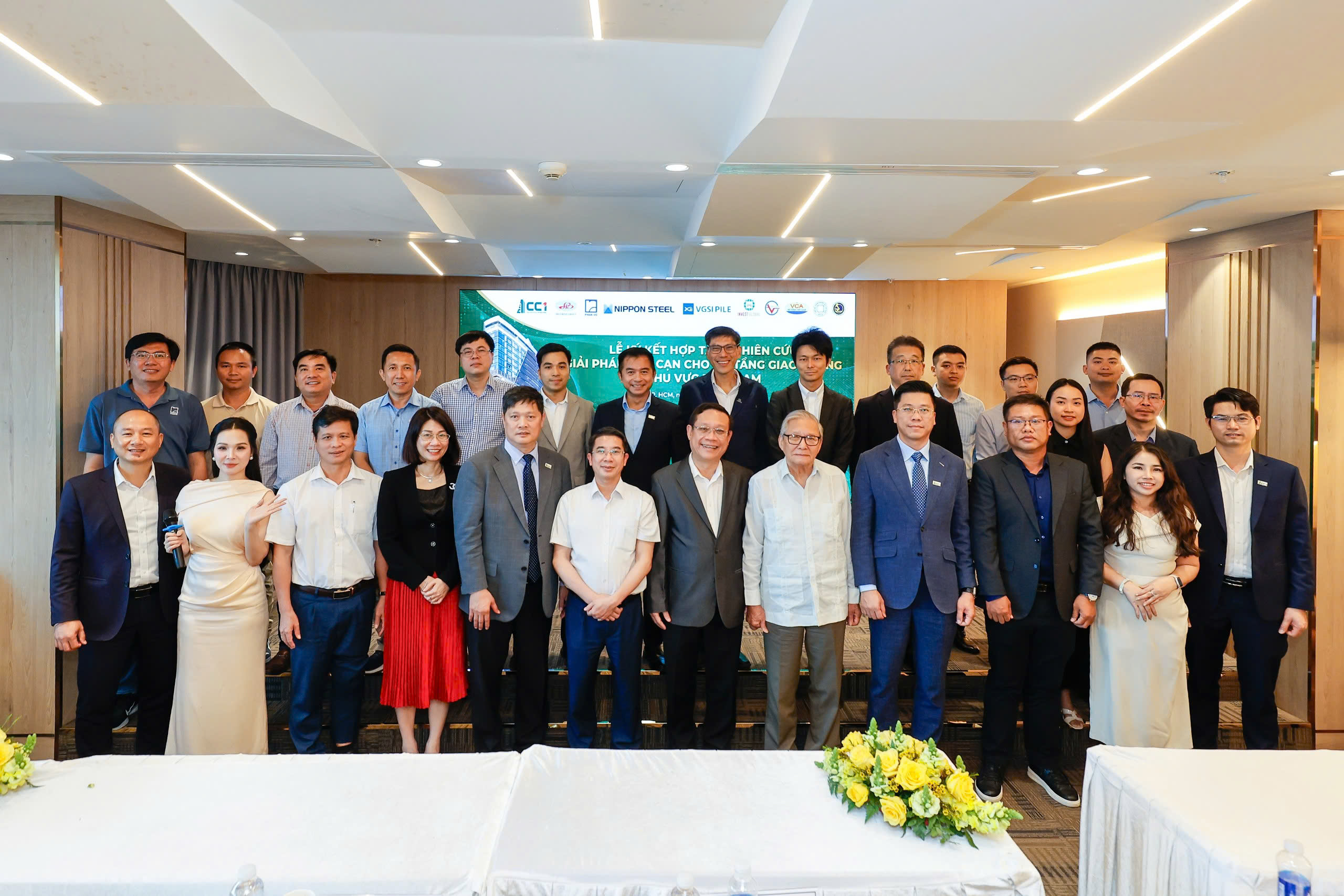
Many solutions for constructing elevated bridges on transportation projects, especially highways, aimed at saving costs, ensuring the longevity of the structures, and particularly minimizing negative impacts on the environment, were discussed and shared by experts, engineers, and consulting firms at the scientific workshop: "Elevated Bridge Solutions for Transportation Infrastructure in the Southern Region" organized by Construction Corporation No. 1 - JSC on April 12th.
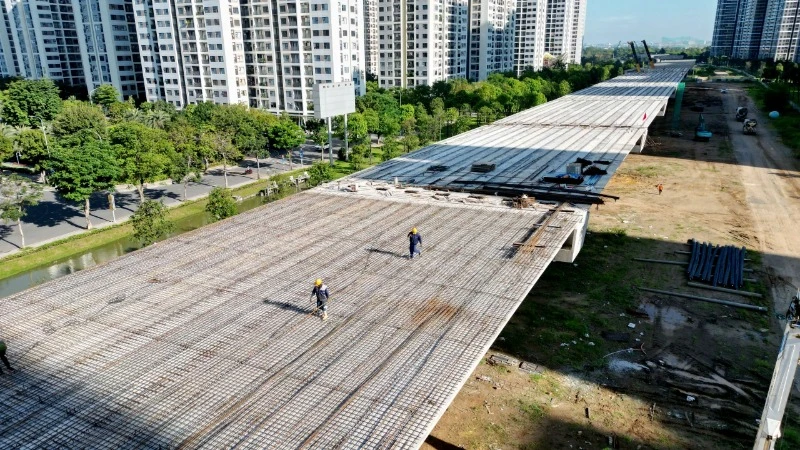
The solution of constructing elevated bridges is being considered in the context of the southern region, especially the Mekong Delta, facing a series of challenges such as: shortages of embankment materials, weak geological conditions, and stringent environmental protection requirements.
Dr. Phan Huu Duy Quoc, Chairman of the Board of Directors of Construction Corporation No. 1 - JSC, and a member of the expert consulting team for the Ho Chi Minh City urban railway system construction project, provided survey information showing the urgency of elevated bridge solutions in the development of Vietnam's transportation infrastructure in general and the southern region in particular.
Accordingly, the amount of sand currently being dumped into the Mekong Delta is only 2 to 4 million cubic meters.3/year while extraction capacity is 10 times higher: 35-55 million m³3/year to serve the construction of bridges, roads, and highways. Thus, the supply of sand is too low compared to the demand because currently, the highway system in the south, which is over 1,000km long, is being invested in and built, leading to a very serious shortage of construction sand.
"Given this situation, finding sustainable infrastructure solutions that are suitable for local conditions has become an urgent requirement. Among these solutions, elevated bridges offer a way to address material shortages and minimize the environmental impact of roads built on embankments, while also shortening construction time," Mr. Phan Huu Duy Quoc observed.
Experts also argue that, in addition to focusing solely on cost, the impact of transportation infrastructure projects on the environment and sustainable development should be thoroughly considered when constructing elevated bridges.
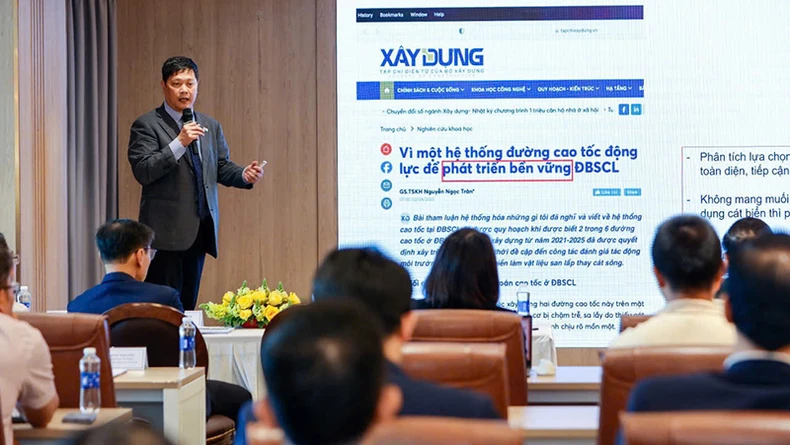
The workshop also featured Mr. Nguyen Huu Duong, General Director of Hoa Binh Company Limited, who has pioneered the research and implementation of elevated bridge solutions in the northern region.
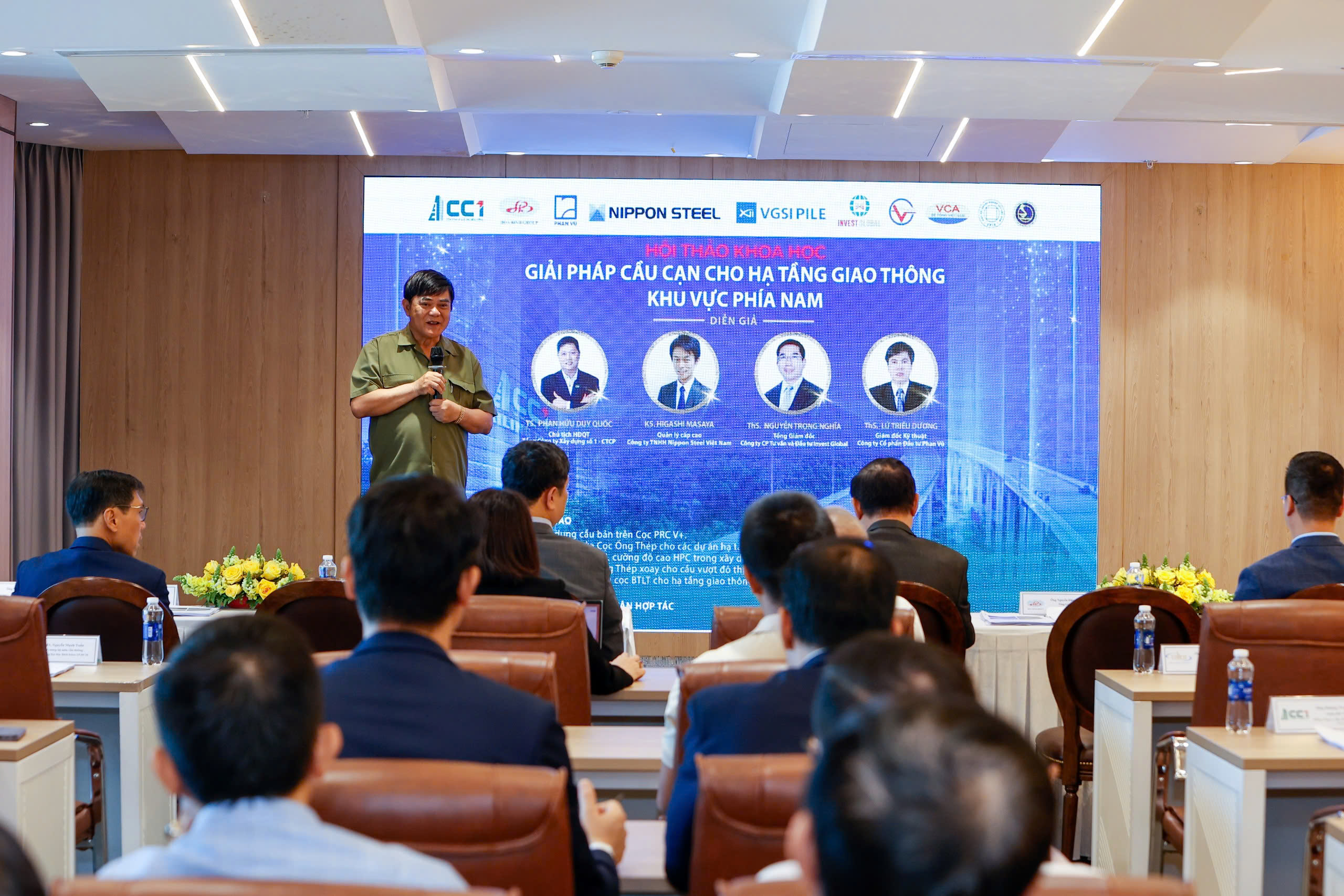
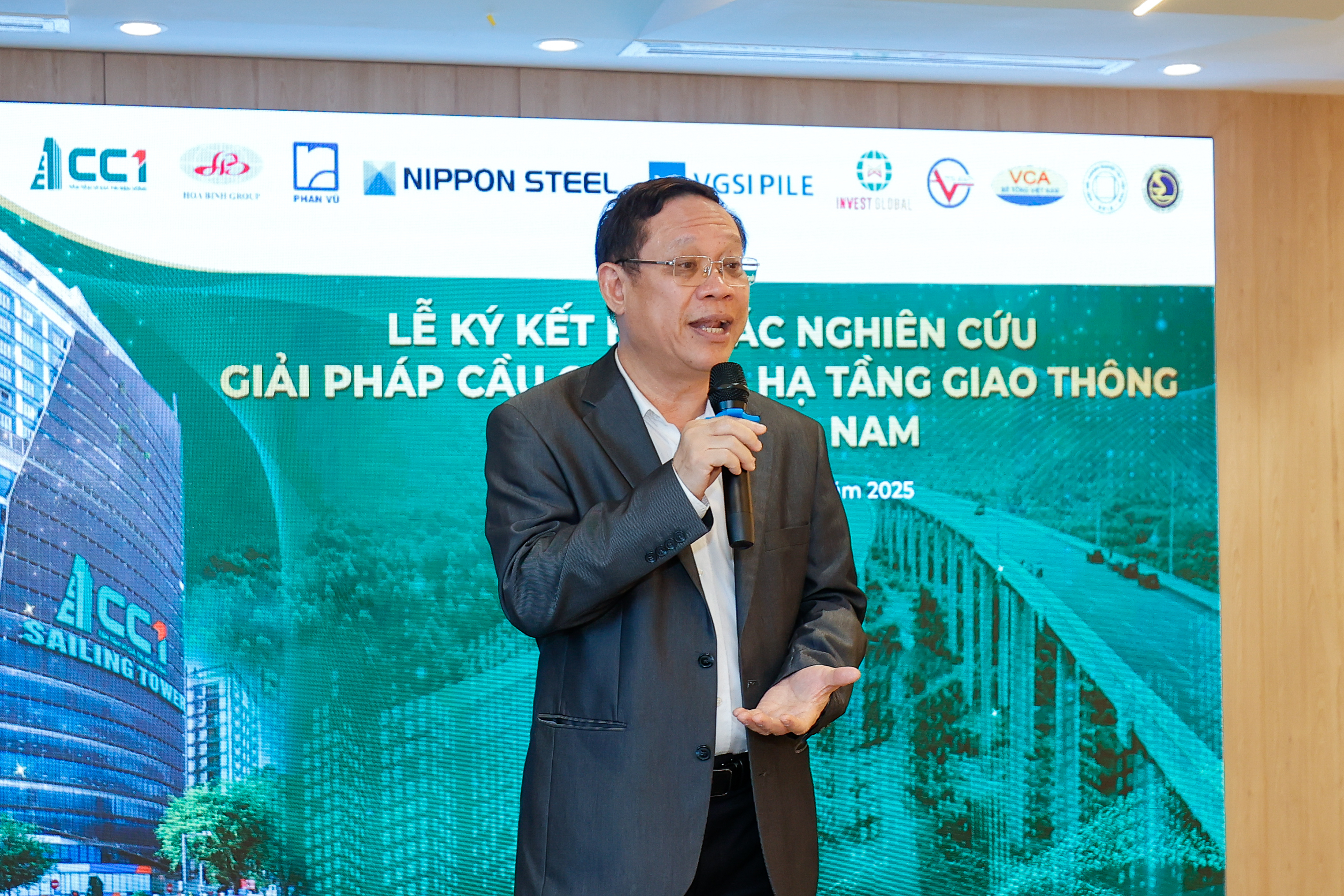
Speaking at the workshop, Professor Nguyen Ngoc Tran, former Vice Chairman of the State Committee for Science and Technology, expressed his concern: “The elevated bridge solution is not new, but why isn't it being applied when sand dredging in the Mekong Delta is reaching its limit? What will happen to the environment and the lives of the people if roads continue to be built using sand embankments, causing consequences such as soil acidification and salinization…?”

To further illustrate, Mr. Quoc stated that the country's first expressway, the Ho Chi Minh City-Trung Luong expressway, was started in 2004 with 14 out of 61 km constructed as elevated bridges. Therefore, this solution is not new; the issue is how to apply it effectively, or whether the government needs to soon establish standardized regulations on elevated bridge construction methods.
At the workshop, construction and consulting firms shared many advanced technologies in the design and construction of viaducts, aiming to optimize investment costs while ensuring the longevity and quality of the structures. These solutions attracted attention and generated lively discussions among experts and delegates in attendance.
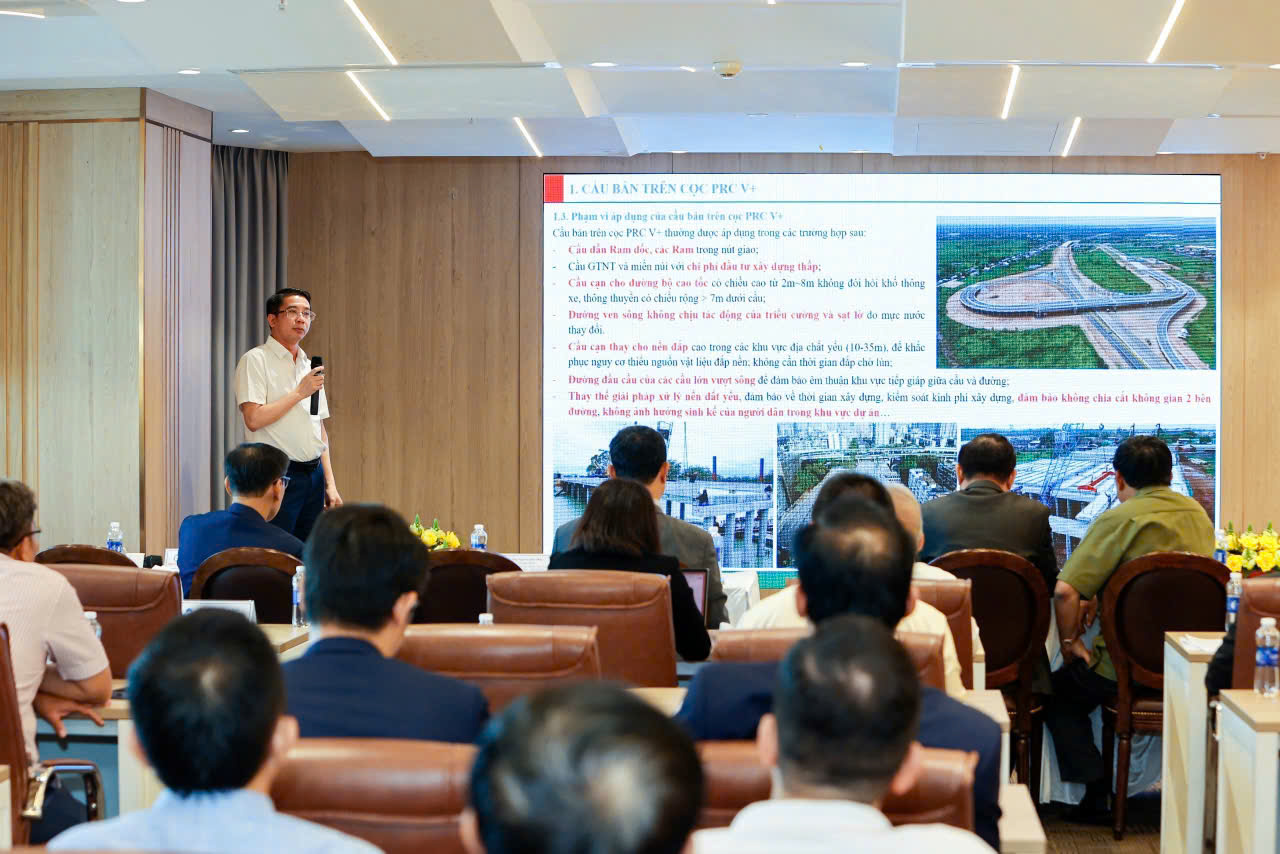
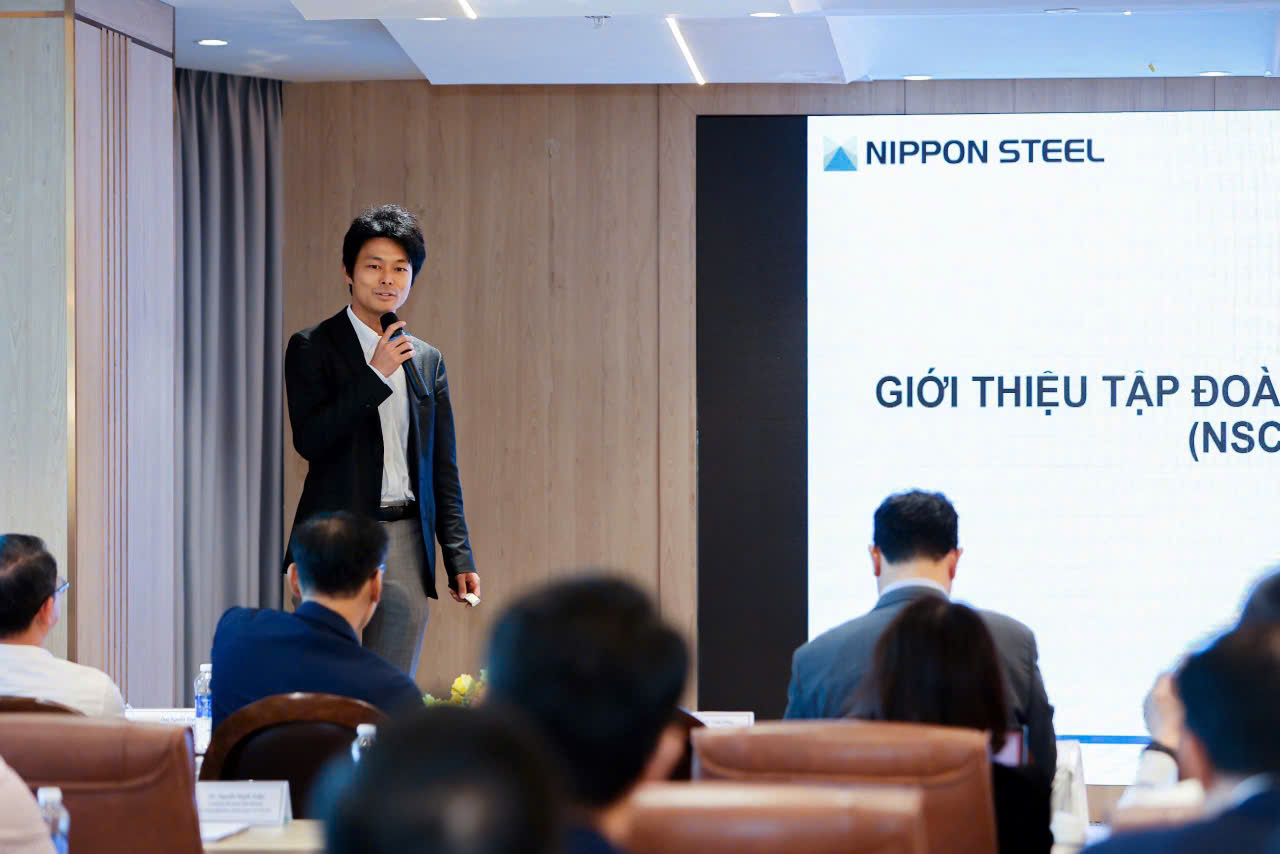
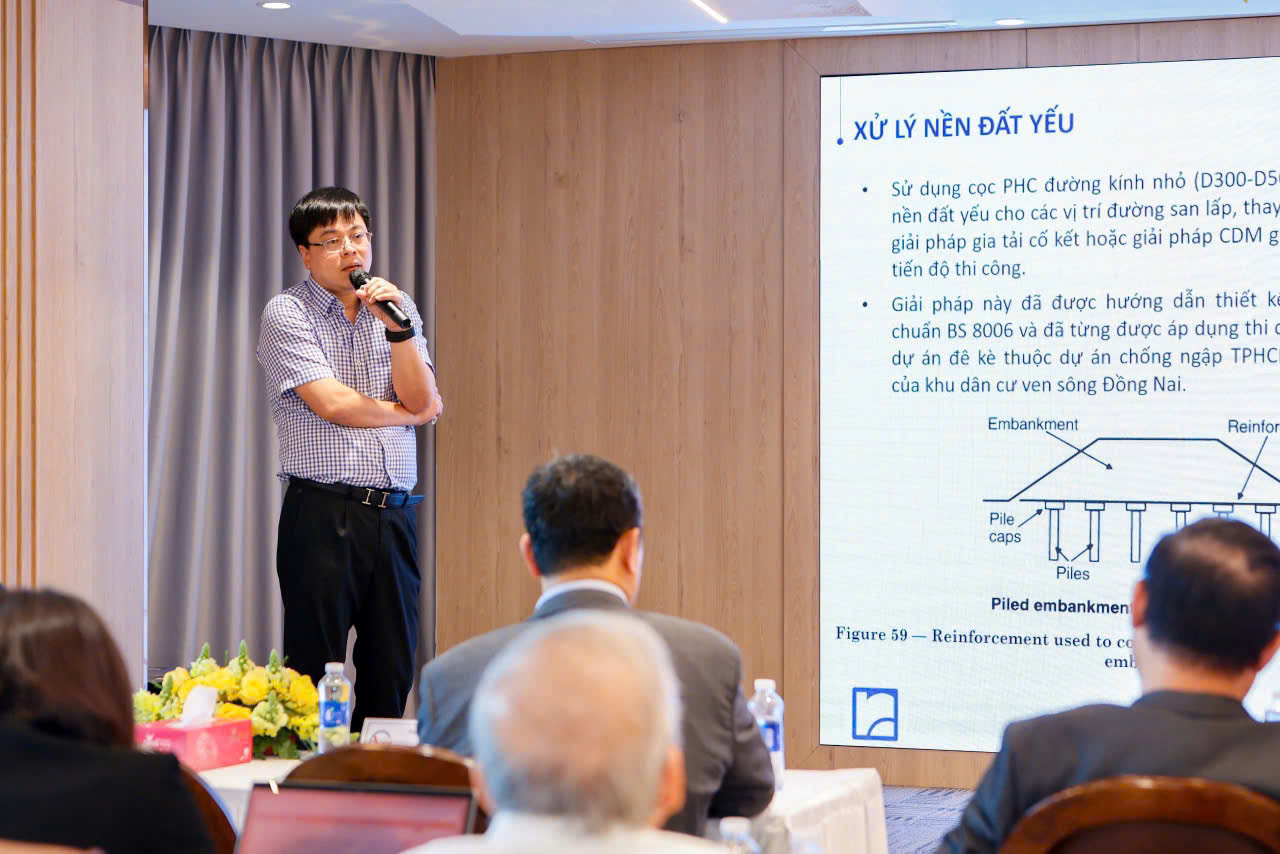
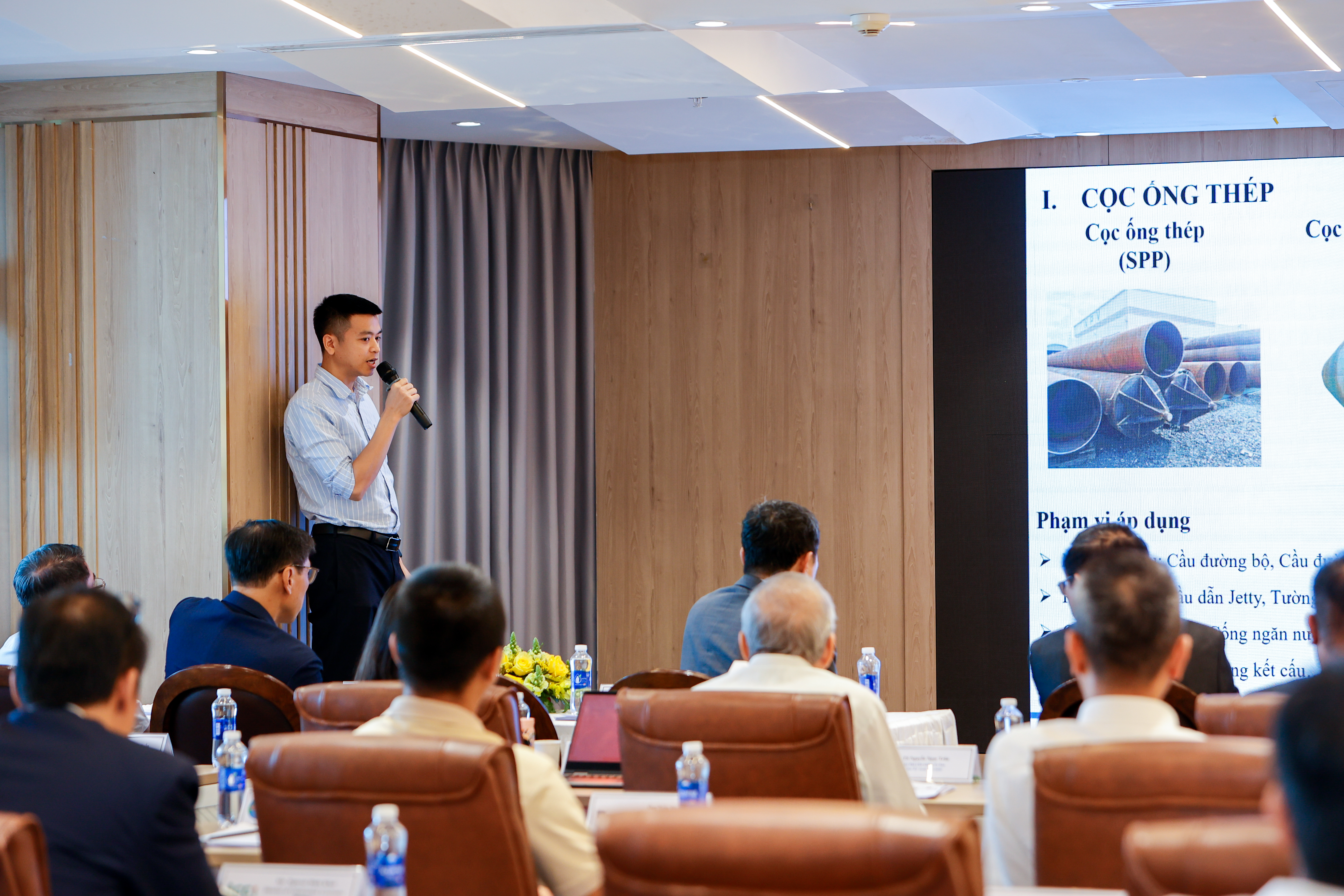
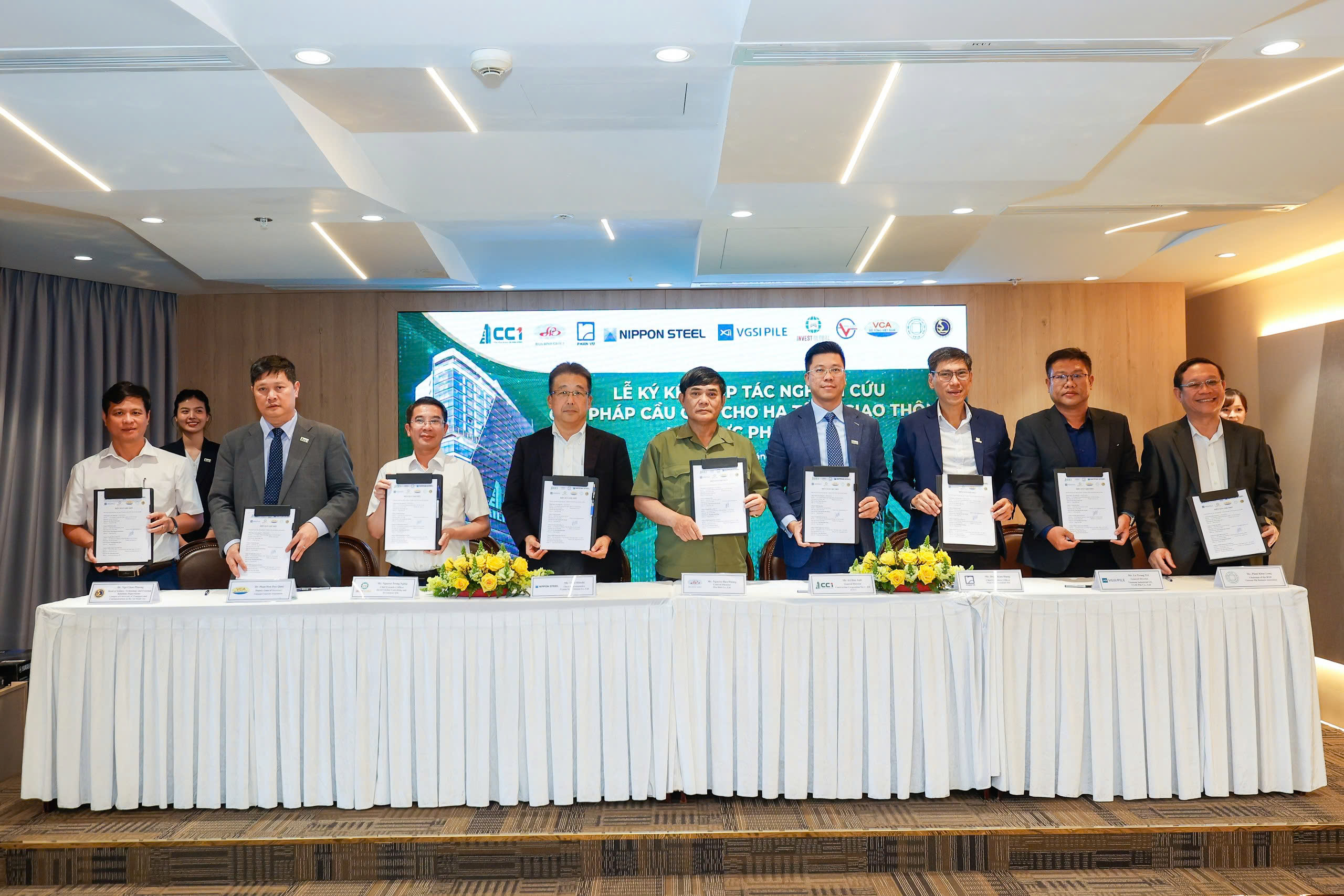
Notably, at the same event, CC1 established the Viaduct Solutions Research Group, with voluntary participation from signatory parties. The group serves as a forum for exchanging and sharing technological and engineering solutions, while also acting as a sustainable collaborative ecosystem operating on a voluntary basis and without cost constraints. The group's goal is to create an open space where parties can jointly research, develop, and propose optimal solutions for transportation infrastructure in the Southern region, particularly solutions for optimizing viaduct systems.
Accordingly, the Viaduct Solutions Research Group comprises the following nine companies and associations: Construction Company No. 1 – JSC (CC1), Hoa Binh Company Limited, Phan Vu Investment Joint Stock Company, Nippon Steel Vietnam Company Limited, Vietnam Industrial GS, VGSI Pile Co., Ltd, Invest Global Consulting and Investment Joint Stock Company, Vietnam Concrete Association, Vietnam Pile Business Association, and UTC2 Joint Stock Company.