To celebrate the 50th anniversary of the Liberation of Southern Vietnam and the reunification of the country (April 30, 1975 – April 30, 2025), the whole country is holding inaugurations and groundbreaking ceremonies for many key transportation and infrastructure projects.
In those projects, Construction Corporation No. 1 – JSC (CC1) made significant contributions, working together with investors and contractors to create miracles in the construction industry.
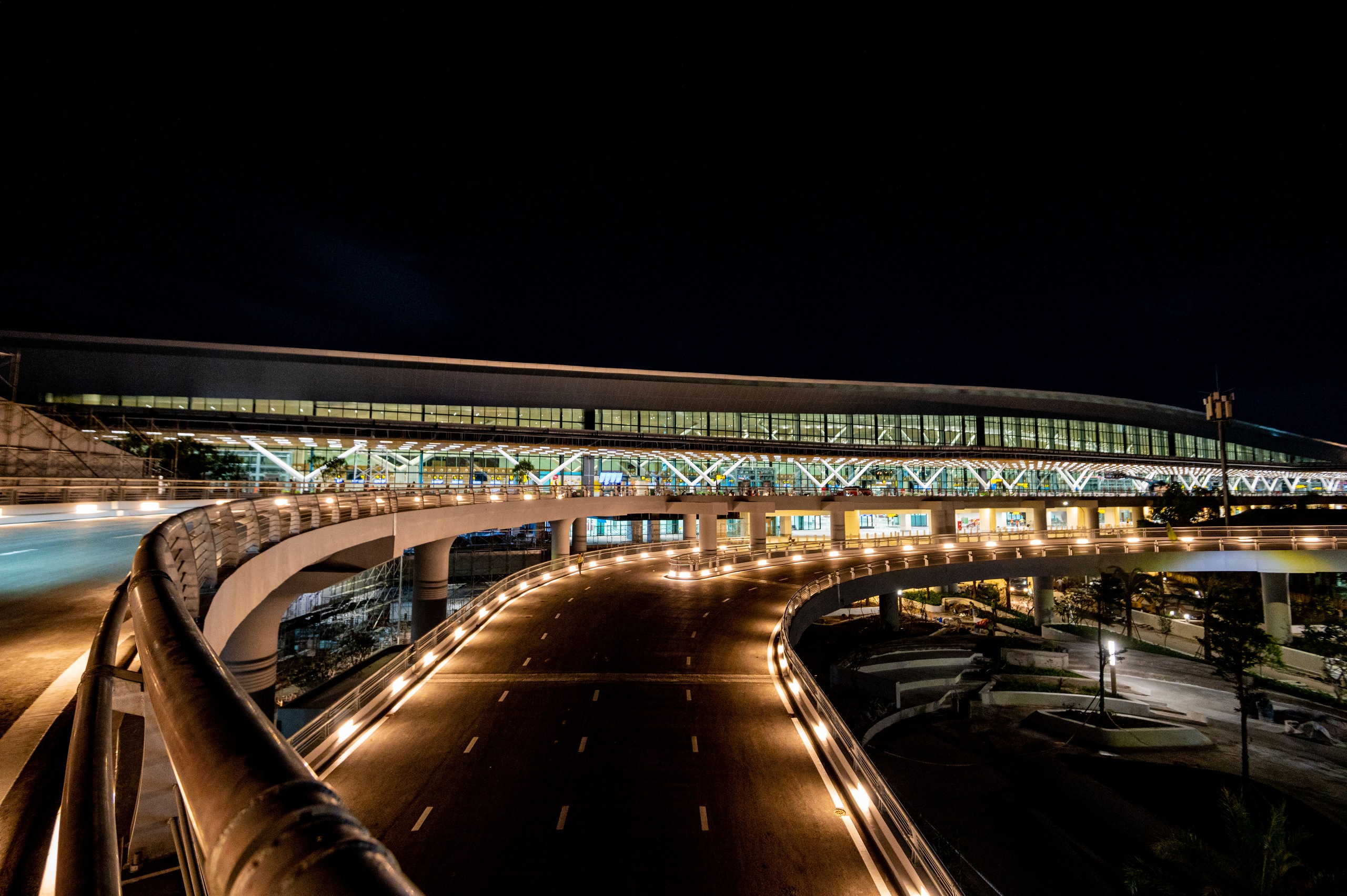
CC1 reveals its experience in accelerating the construction of Terminal 3.
CC1 is the contractor for Package 12 – construction and equipment installation of the Tan Son Nhat T3 Passenger Terminal, including the following items: Passenger Terminal (PTB); Multi-story parking garage (PNA) and auxiliary items; Passenger jet bridge system (PBB); Baggage conveyor system (BHS); Steel structure system.
To achieve the goal of "finishing early," CC1 mobilized more than 800 skilled engineers and workers, along with hundreds of modern machines and equipment, organizing simultaneous construction in 3 shifts and 4 teams, working day and night on the construction site.
The bustling and urgent construction atmosphere clearly demonstrates CC1's high level of determination in adhering to the schedule, ensuring quality, and maintaining absolute safety for a key national-level project.
The reinforced concrete sections are divided into smaller areas, with construction organized in parallel and continuously in stages between construction teams. At the same time, many items are increasingly applying prefabricated construction solutions, with construction steel fabricated to specifications at the factory and large components such as beams, segments, piles, etc., being pre-cast and manufactured synchronously to be quickly transported to the construction site for assembly, reducing on-site construction time.
Notably, projects located in the same area or within a limited space are also organized into day and night shifts, ensuring no overlap in work and maximizing efficiency within each timeframe.
The synchronized and flexible construction organization solutions not only significantly shortened the project timeline but also clearly demonstrated CC1's proactive, professional, and decisive spirit as the construction contractor.
CC1 not only contributed to bringing the T3 terminal project to completion on schedule, but also joined in the vibrant construction atmosphere across major construction sites in the South to celebrate the 50th anniversary of the liberation of the South and the reunification of the country.
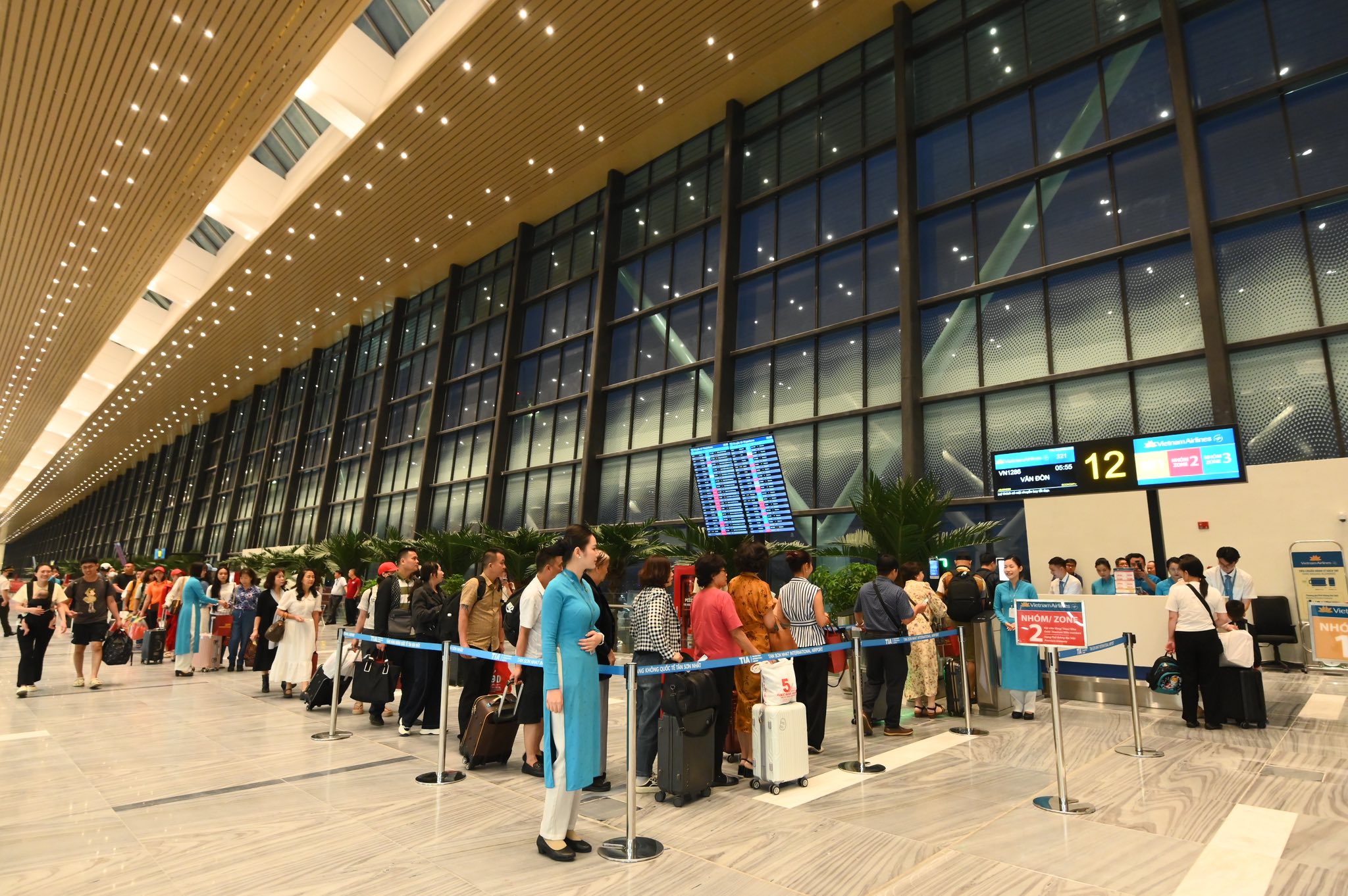
According to the initial signed master plan, the T3 Terminal project was to be implemented over 600 days and was expected to be completed by mid-June 2025. However, due to the new requirement to bring the project into operation earlier, CC1 and the construction units proactively adjusted the construction plan and accelerated progress across the entire site. As a result, the project's timeline was shortened by more than two months compared to the original plan. This is a significant effort given the large volume of work and high technical requirements.
Bring "Tips and tricks" for getting from Terminal 3 to Terminal 2 in Dong Hoi.
Following the success of the T3 terminal at Tan Son Nhat Airport, Construction Corporation No. 1 – JSC (CC1) was chosen to construct the T2 passenger terminal at Dong Hoi Airport. Specifically, it was awarded package 15, which involved the construction of piles and foundations for the terminal. The scope of work spanned from preparation and demolition of existing structures to the construction of bored piles and foundation structures.
In particular, because the construction site is located within the port's operational area, all activities are organized with high technical standards, ensuring absolutely no disruption to aviation operations.
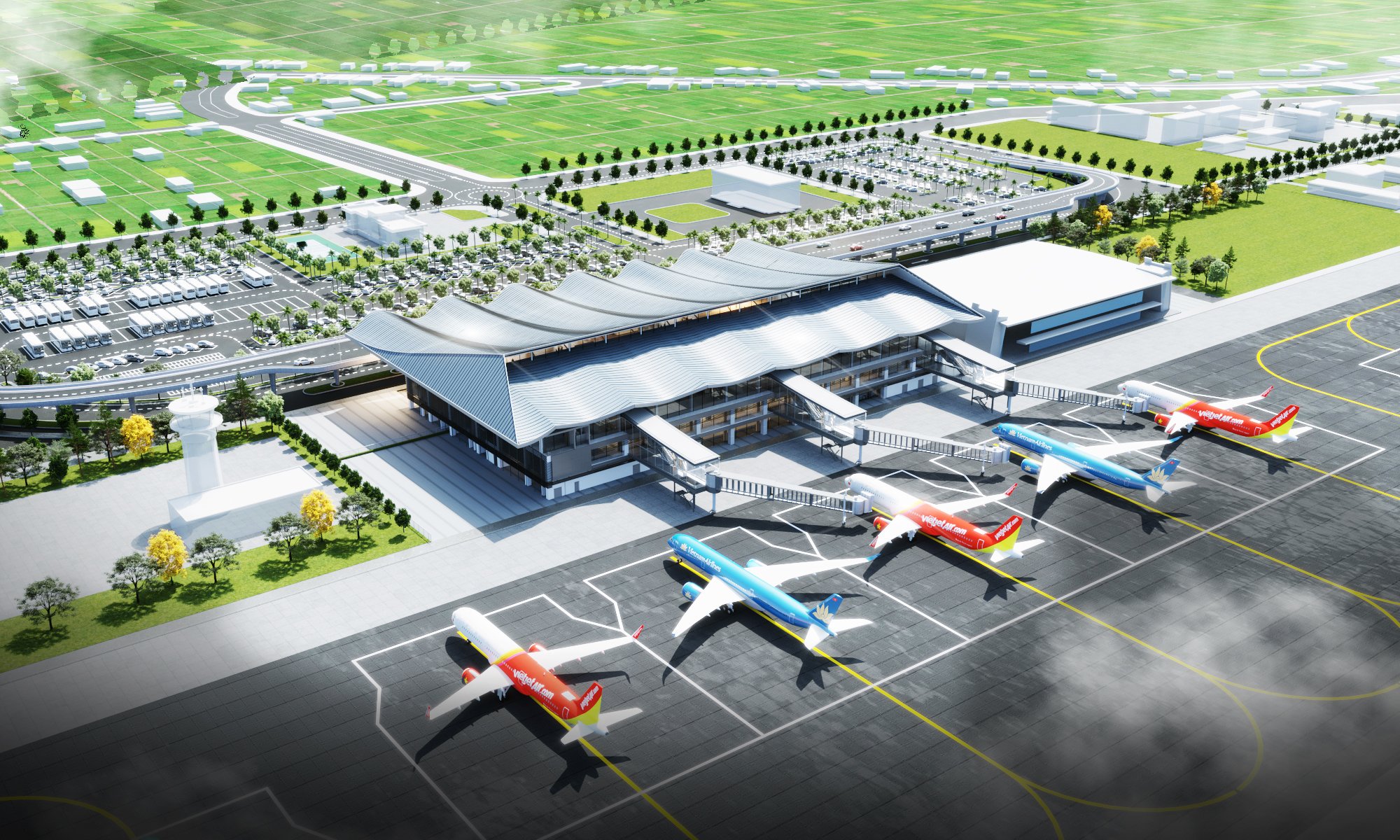
Due to the nature of construction within the operational area of Dong Hoi Airport, the entire construction site is fenced off and isolated, located entirely within the handed-over project area, including a portion of the aircraft parking apron.
Before commencing construction, the contractor, in coordination with the investor, conducts thorough site inspections and handover, accurately identifying the locations of pipelines, cables, and underground infrastructure to avoid conflicts and ensure absolute safety during construction and operation.
One of the risks in an airport environment is foreign object debris (FOD), which can seriously affect flight safety. Recognizing this, CC1 implements strict FOD control measures: closed-loop construction, continuous site inspections, material shielding, and regular cleaning. Simultaneously, all construction personnel are trained and issued aviation security badges, ensuring full compliance with regulations within the restricted area.
To ensure the project's progress and quality, CC1 mobilized a construction workforce of approximately 100-150 skilled engineers and workers. All received thorough training in occupational safety, fire prevention and control, environmental hygiene, and codes of conduct within the airport's restricted areas. The construction site operated on a continuous two-shift system, day and night, optimizing progress while minimizing disruption to flight operations.
Because it is located within an air traffic control zone, the maximum height of the pile-driving equipment is limited to 18m. If it is absolutely necessary to exceed the 19m limit, the contractor must issue a Notice of Aviation (NOTAM) as required. To adapt, CC1 uses equipment with a retractable boom, ensuring both efficient construction and absolute flight safety.
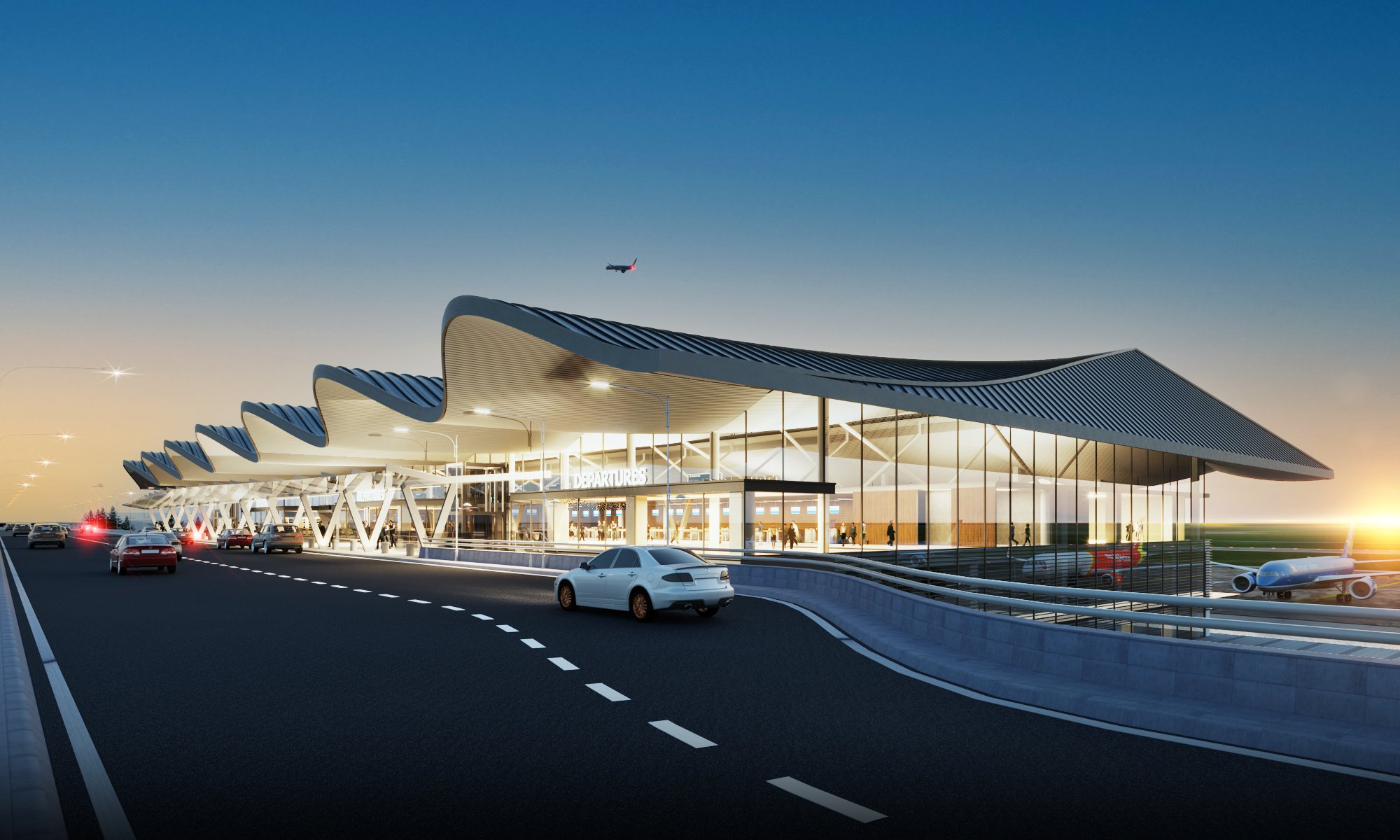
The project applies many modern technical solutions to optimize construction efficiency and ensure operational safety. A sturdy concrete-reinforced fence system, combining steel box sections with corrugated sheet metal, 2.45m high, completely isolates the construction area from the mining area. Internal transportation routes are scientifically planned, ensuring separate access for equipment, materials, and workers.
Rach Mieu 2 Bridge: Impressive Rapid Progress
The Rach Mieu 2 Bridge – a key transportation project connecting the two provinces of Tien Giang and Ben Tre – is making its mark as one of the fastest-paced construction projects in the Mekong Delta region.
According to the original plan, the project was scheduled to start on March 28, 2023, and be completed after 26 months, on May 28, 2025. However, thanks to decisive direction from the Government and the Ministry of Construction, along with the rapid work progress on the construction site, the Rach Mieu 2 bridge will officially be completed on April 19, 2025, finishing approximately 4 months ahead of schedule.
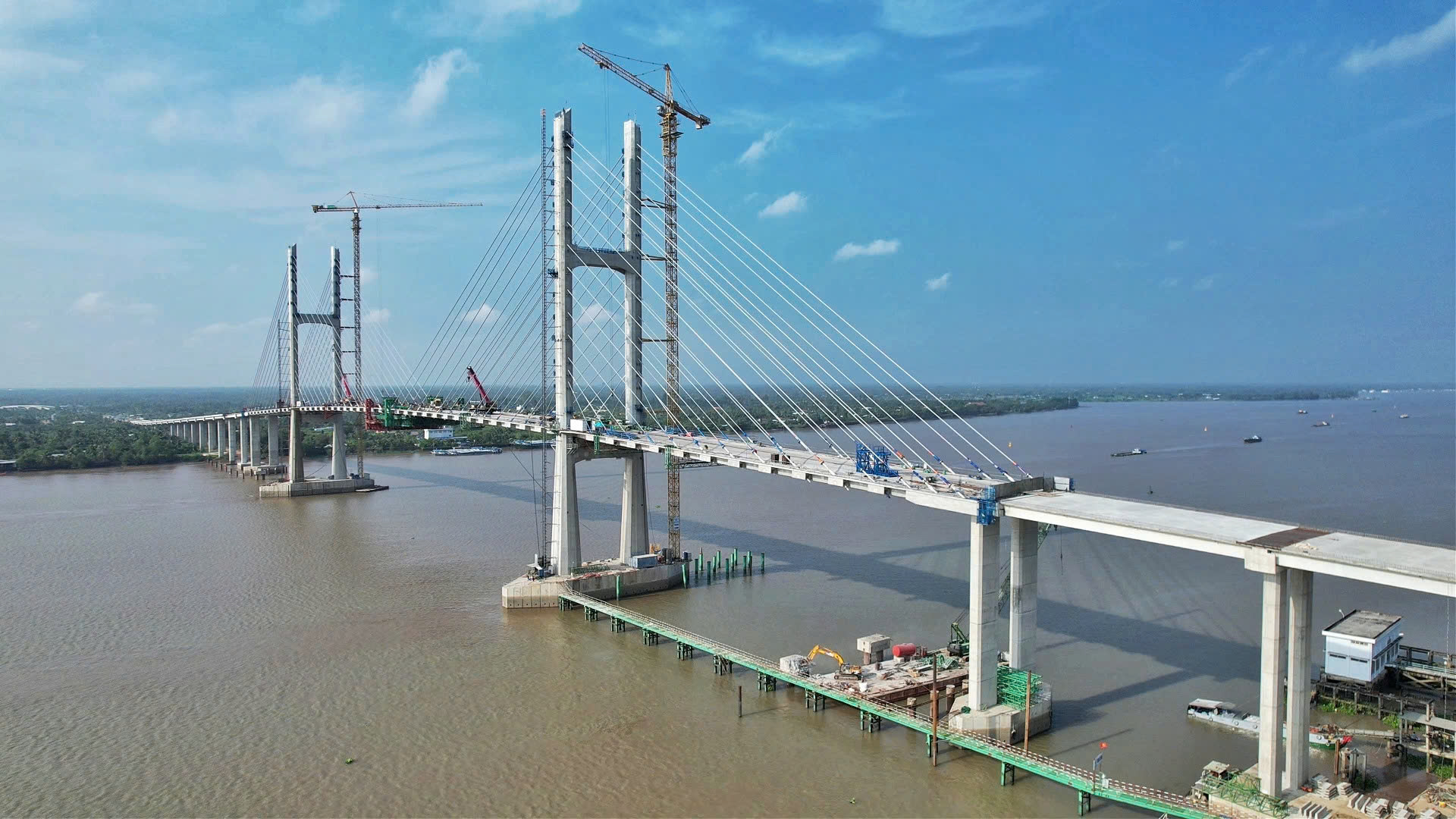
To date, the entire project has completed 851 TP2T of work volume, exceeding the overall progress by more than 51 TP2T. In particular, the main bridge section is more than 151 TP2T ahead of schedule, demonstrating the decisive and coordinated efforts of the construction units, especially CC1 – the main contractor of the project.
In response to the 45-day emulation campaign celebrating the 50th anniversary of the complete liberation of Southern Vietnam and national reunification (April 30, 1975 – April 30, 2025), CC1 has mobilized maximum resources: increasing equipment, adding experienced personnel, and organizing continuous 3-shift construction for important items such as crushed stone base, asphalt concrete, traffic safety, and lighting systems.
Currently, the total workforce at the construction site has been increased to 96 people, including 3 additional engineers and 30 skilled workers directly responsible for key technical aspects.
The site management also regularly organizes visits to encourage and provide timely material support to the workers, further motivating the team of workers and engineers to work diligently day and night on the construction site.
The guiding principle of the Prime Minister – “Only discuss how to proceed, not how to retreat” – has become the compass for CC1 and the construction units, determined to bring the project to completion before September 2, 2025, contributing to the completion of the regional transport network and spreading new vitality to the infrastructure of the Southern region.
–Tu Doan, Construction Newspaper