Limited construction space, difficult transportation connections, and a short construction timeframe are some of the challenges contractors face when constructing Terminal 3 at Tan Son Nhat International Airport.
But with strong determination, the contractors mobilized maximum resources, organized the construction scientifically, and completed the project ahead of schedule.
Construction work underway amidst a "siege" of obstacles.
The T3 passenger terminal is located in the heart of Ho Chi Minh City, adjacent to the parking area and runway of Tan Son Nhat Airport, posing numerous challenges for the contractor.
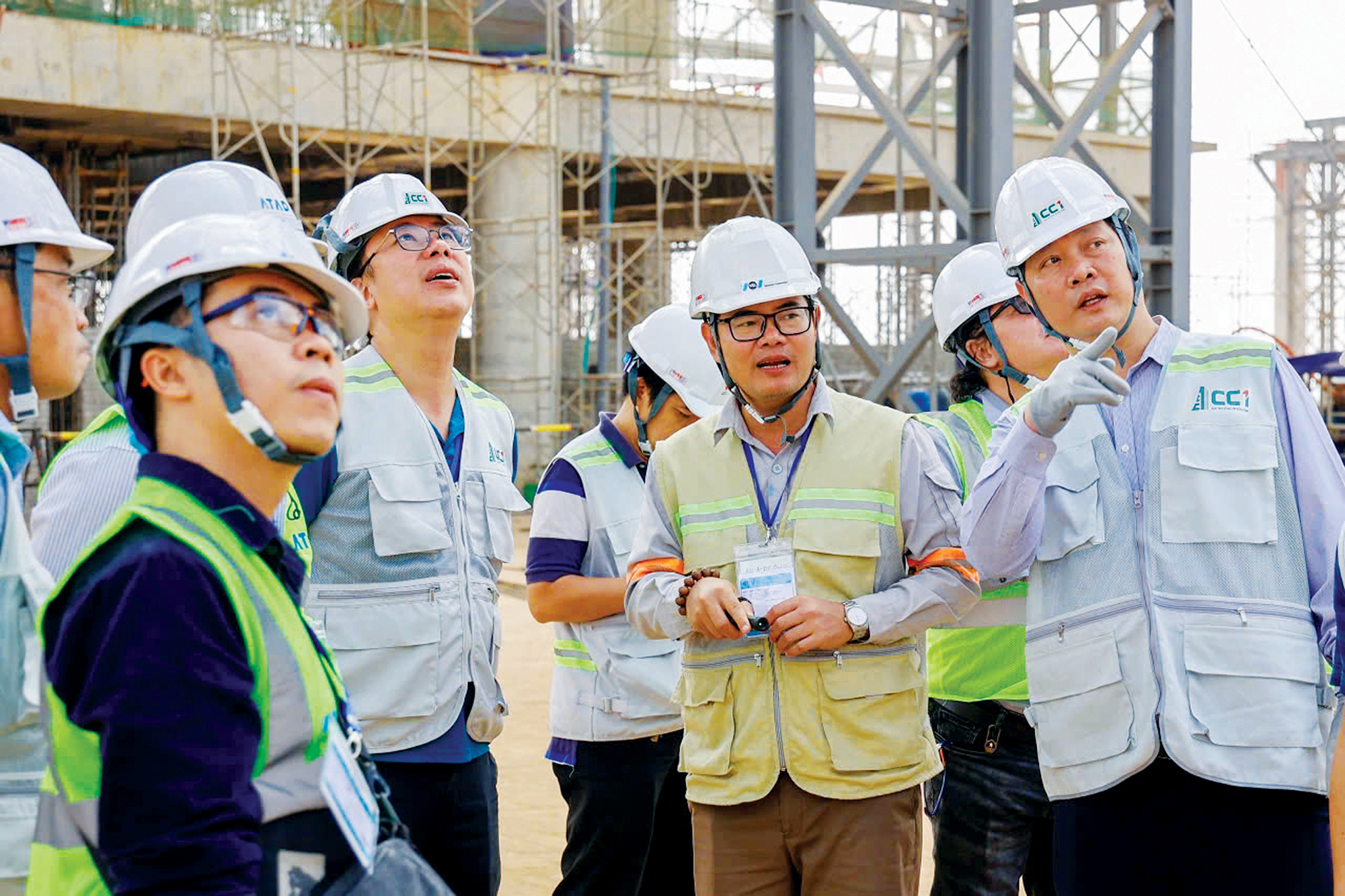
Mr. Nguyen Gia Vinh, Deputy Project Director of Construction Corporation No. 1 – JSC (CC1), shared that the construction of Terminal 3 is situated amidst an already operational airport system. Connecting transportation infrastructure is also under construction and excavation; the surrounding area includes military zones and densely populated residential areas.
Large trucks are prohibited from circulating during the day, so the transportation of equipment and materials only takes place at night. Many materials such as steel, concrete, and bulky equipment have to be broken down into smaller quantities for delivery to the construction site…
The time pressure was immense. Many items and multiple contractors had to work simultaneously in the same location, working continuously day and night, in three shifts and four teams. At one point, contractor CC1 mobilized up to 800 engineers and workers to meet the deadline.
“Every workday is incredibly stressful. If any item is delayed by even one day, it causes delays for the units behind it, affecting the entire chain. Sometimes, if a contractor behind us doesn't have the site, we have to push the schedule back to the contractor ahead. We work on the construction site during the day, and in the evening, the contractors hold meetings, sometimes engaging in heated debates to find ways to coordinate,” Mr. Vững said.
There were many times when materials couldn't get in, the workers were exhausted, and the sweltering weather made the construction site feel like a "pressure oven." Many workers toiled from morning until late at night, with no time to go home to their families.
Revealing tips to speed up progress.
According to Mr. Le Hoai Dien, Deputy Commander of contractor CC1, under limited construction conditions, the miracle came not only from willpower and determination, but the crucial factor that helped the project exceed the schedule was the scientific organization of construction.
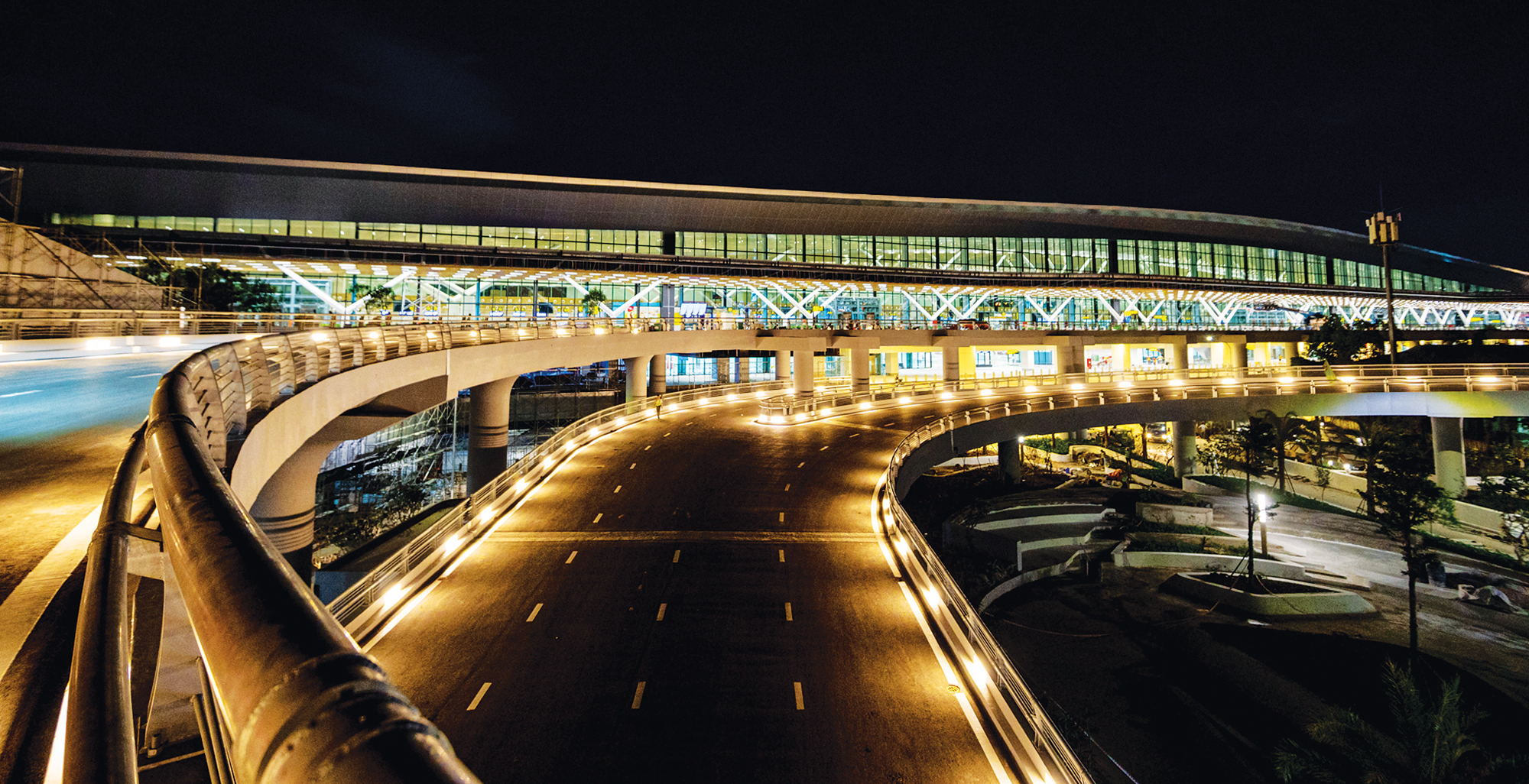
Mr. Dien explained that the arrangement of manpower, equipment, site layout, and implementation plan must be detailed in each stage. At each point, it is necessary to clearly define what items need to be constructed, the workforce involved, where materials and supplies will be stored, and how access to the construction site will be managed to avoid hindering progress. Which stages require accelerated progress, or which parts of the work need to be prioritized to ensure the construction pace…
For example, in cramped spaces where it's impossible to stockpile many materials, careful planning of material allocation is necessary. Materials delivered to the construction site must be placed in the correct location and at the right time to avoid hindering construction. In some cases, materials have to be left on trucks, waiting to be lifted and installed immediately.
Items directly affected by the weather, such as the structural work and roofing, need to be prioritized for completion before the rainy season. Many technical innovations have been applied to shorten construction time.
The reinforced concrete section is divided into smaller areas, with construction organized in parallel and continuously in stages between construction teams. Many items are constructed using prefabricated components, with steel fabricated to specifications at the factory; large components such as beams, segments, piles, etc., are pre-cast and manufactured synchronously, then quickly transported to the construction site for assembly, reducing on-site construction time.
Items located in the same area or within a limited space are constructed in day and night shifts, avoiding overlap and maximizing efficiency during each time slot.
Simple joys
What Mr. Dien remembers most about the construction of Terminal 3 was the steel structure of the terminal roof. With a massive 12,000 tons of steel to be installed in 4 months, the pressure was immense; the entire system had to be carefully considered and calculated, with no room for error. From the factory, the steel was pre-assembled into modules, then transported to the correct location overnight and assembled immediately.
"For engineers and workers, joy is sometimes very simple, like when you look up at an airplane gliding across the sky and tell yourself: 'I am contributing to providing millions of passengers with a comfortable place to take off and land,'" Vung recounted.
Prime Minister Pham Minh Chinh visited the construction site many times to closely supervise, inquire about, encourage, and give gifts… which deeply moved the workers and engineers. This served as a morale booster, helping them overcome difficulties and challenges.
The leaders of the Vietnam Airports Corporation (ACV), the Project Management Board, and the contractors have created favorable conditions, from meal breaks and rest areas to flexible working hours and policies to motivate employees… “Just thinking about flying in the future, stepping into a magnificent, modern terminal that we and the businesses contributed to building, makes me feel very proud,” Mr. Vung said.
At the inauguration ceremony of the T3 terminal project on the morning of April 19th, Prime Minister Pham Minh Chinh emphasized: One of the special milestones is the completion of the T3 terminal at Tan Son Nhat International Airport two months ahead of schedule. This is the result of the unity, determination, and close coordination between the investor, contractors, and the Ho Chi Minh City government.
The Prime Minister requested that the spirit of rapid construction be spread from Terminal 3 to Long Thanh International Airport so that the project can be completed by the end of 2025.
| CC1 affirms its key role in national key projects. At Long Thanh International Airport, CC1 participated with consortiums in the construction of many large-scale packages. Specifically: “Package 5.10: Construction and equipment installation of the passenger terminal,” which was topped out in August 2024, overcoming many technical and schedule challenges; Package 4.8: In-port traffic works and airport infrastructure, with a total value of nearly VND 11,420 billion; Package 11.5: Construction, equipment installation and design of the parking garage, with a total value of over VND 3,144 billion. CC1 continues to be the chosen contractor for the construction of the T2 passenger terminal at Dong Hoi Airport, specifically for package number 15, which involves the construction of piles and foundations for the terminal. Undertaking major contracts affirms CC1's key role in national key projects, contributing to the completion of technical and transportation infrastructure systems, and ensuring the progress and quality of large-scale projects. CC1 leaders affirmed that they will spread the spirit of rapid construction of Terminal 3 to the construction packages in Long Thanh and Terminal 2 in Dong Hoi, as directed by the Prime Minister, to ensure the project is completed on schedule. |
Phan Tu - My Quynh, Construction Newspaper