After years of playing a crucial role in driving growth, creating jobs, and contributing to the national budget, the private sector is expected to continue to rise as one of the solid pillars of the national economy.
The issuance of Resolution 68 by the Politburo, with its clear orientation on the development of the private economy, laid the foundation for a new policy turning point, not only freeing up and removing obstacles but also proactively assigning greater responsibilities to this sector.
However, along this journey, many private enterprises are still facing institutional and legal barriers, limited access to resources, and a fear of criminalization in their production and business activities.
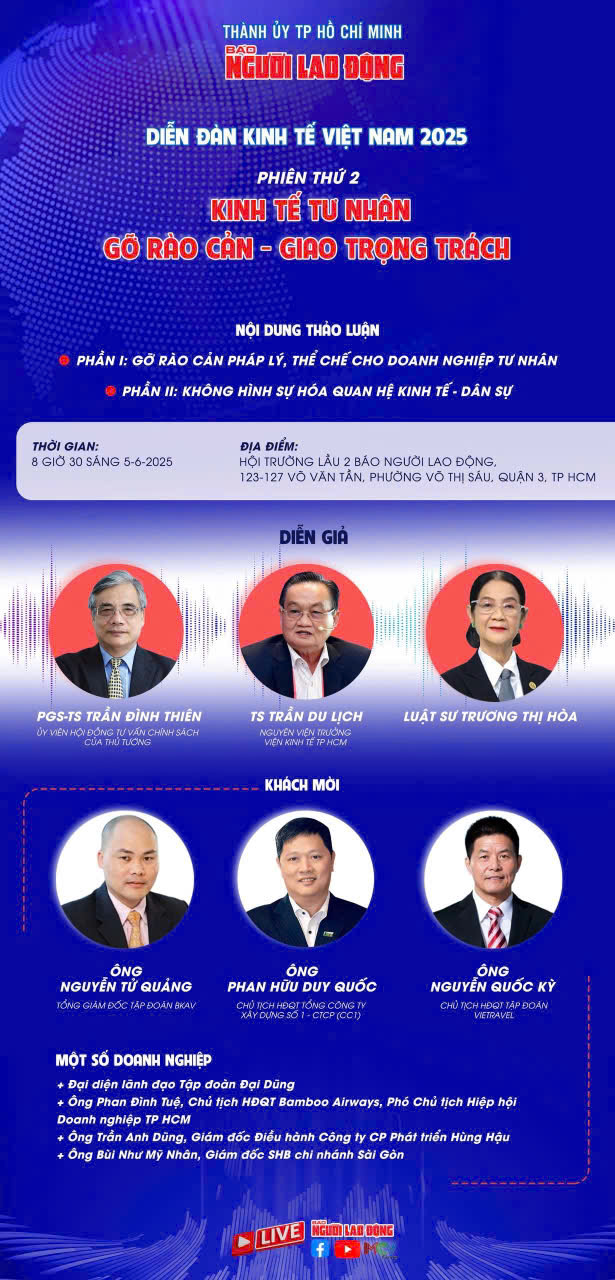
In response to the need for a substantive dialogue forum where policymakers, experts, and businesses can frankly exchange ideas and propose breakthrough solutions, at 8:30 AM this morning, June 5, 2025, the Nguoi Lao Dong Newspaper organized the second discussion session of the Vietnam Economic Forum 2025 with the theme: “Private Economy: Removing Barriers – Assigning Responsibilities”.
The program took place in the auditorium on the second floor of the Nguoi Lao Dong Newspaper building, in both in-person and online formats.
The second session of the Vietnam Economic Forum 2025 aims to clarify the role and position of the private sector in the new era, thereby creating an open and substantive dialogue space between policymakers and the business sector. Simultaneously, it is expected to propose specific, groundbreaking solutions to boldly grant opportunities and greater responsibilities to the private sector; thereby leveraging domestic strengths, promoting growth, and strengthening confidence in a fair, transparent, and sustainable investment and business environment.
The forum's main content is divided into two parts.
Part one: The focus will be on removing legal barriers and reforming institutions to create a favorable, transparent, and stable investment and business environment for the private sector. Major issues will include: identifying existing barriers, proposing breakthrough policies to enhance competitiveness, establishing a mechanism for selecting private enterprises for large-scale projects (infrastructure, technology, energy, public services, etc.), and sharing successful public-private partnership (PPP) models and the role of domestic enterprises in key projects.
Part two: Revolving around the crucial theme: "Non-criminalization of economic and civil relations," delegates will analyze the boundary between administrative and economic violations and criminal offenses, while also proposing amendments and additions to regulations in the Penal Code, the Investment Law, the Enterprise Law, etc. A notable point is the proposal to establish a legal mechanism to protect pioneering entrepreneurs who dare to think outside the box, aiming to promote innovation and minimize the risk of criminal prosecution in purely business-related cases.
Below is the complete content of the forum discussion.
Mr. Phan Huu Duy Quoc, Chairman of the Board of Directors of Construction Corporation No. 1 – JSC (CC1): Resolution 68 will create a major "highway" for private businesses to grow together.
According to the railway development plan, Hanoi will build approximately 400km and Ho Chi Minh City approximately 350km of railway lines, with a development speed 40 times faster than the past 20 years. As a construction company, this is both a great opportunity and a significant challenge.
Since the Politburo issued its conclusions on the development orientation of Vietnam's railway transport, our company has begun preparing and improving our management, financial, and project management capabilities. However, it is unrealistic to expect a domestic enterprise to become a large corporation capable of implementing multi-billion dollar projects "in an instant."
Therefore, to implement large-scale projects, it is necessary to leverage the collaborative strength of domestic businesses. However, we are also concerned that domestic construction companies currently lack the capacity to lead multi-billion dollar projects, and therefore, cooperation with large foreign corporations should be considered.

For example, the Long Thanh airport project is led by a Turkish corporation, in collaboration with Vietnamese businesses participating in the construction chain. Learning from international partners is nothing to be afraid of, because becoming a strong and successful business cannot happen in just one or two days; it requires a long-term and sustainable development strategy.
Therefore, Vietnamese businesses should proactively collaborate with foreign partners to jointly implement large-scale projects efficiently and rapidly. For example, in China, Shenzhen built 250km of railway in just 5 years; Shanghai took 10 years to complete 10 high-speed rail lines.
Vietnam also needs large-scale projects, and while we need determination to implement them, we cannot immediately launch projects worth hundreds of billions of USD. First, we need to seek out strong partners to learn from, thereby improving our capabilities in terms of human resources, finance, and management.
Setting overly high expectations for domestic businesses right now will make it difficult for them to meet those expectations. Therefore, collaborating with and learning from international partners is perfectly normal in today's era of integration.

Currently, the majority of domestic private enterprises are small-scale and not yet ready to grow into large businesses. However, with the political determination stemming from Resolution 68, I expect Vietnamese businesses to gradually grow stronger. If the State creates a favorable "highway" for development, then private enterprises will certainly grow and develop together.
Responding to Mr. Quoc's comments, Associate Professor Tran Dinh Thien stated: For large projects, there are often regulations requiring businesses to have relevant experience to participate. However, if the requirement remains "to build a railway, you must have experience in railway construction," Vietnam will never have the opportunity to develop this industry, and domestic businesses will be excluded from the game.
Therefore, national resources should be allocated to support a strong private sector. Private businesses can absolutely propose suitable solutions so that the State can co-manage and set conditions for selecting contractors and investors to ensure that projects are implemented in the best and most efficient way.
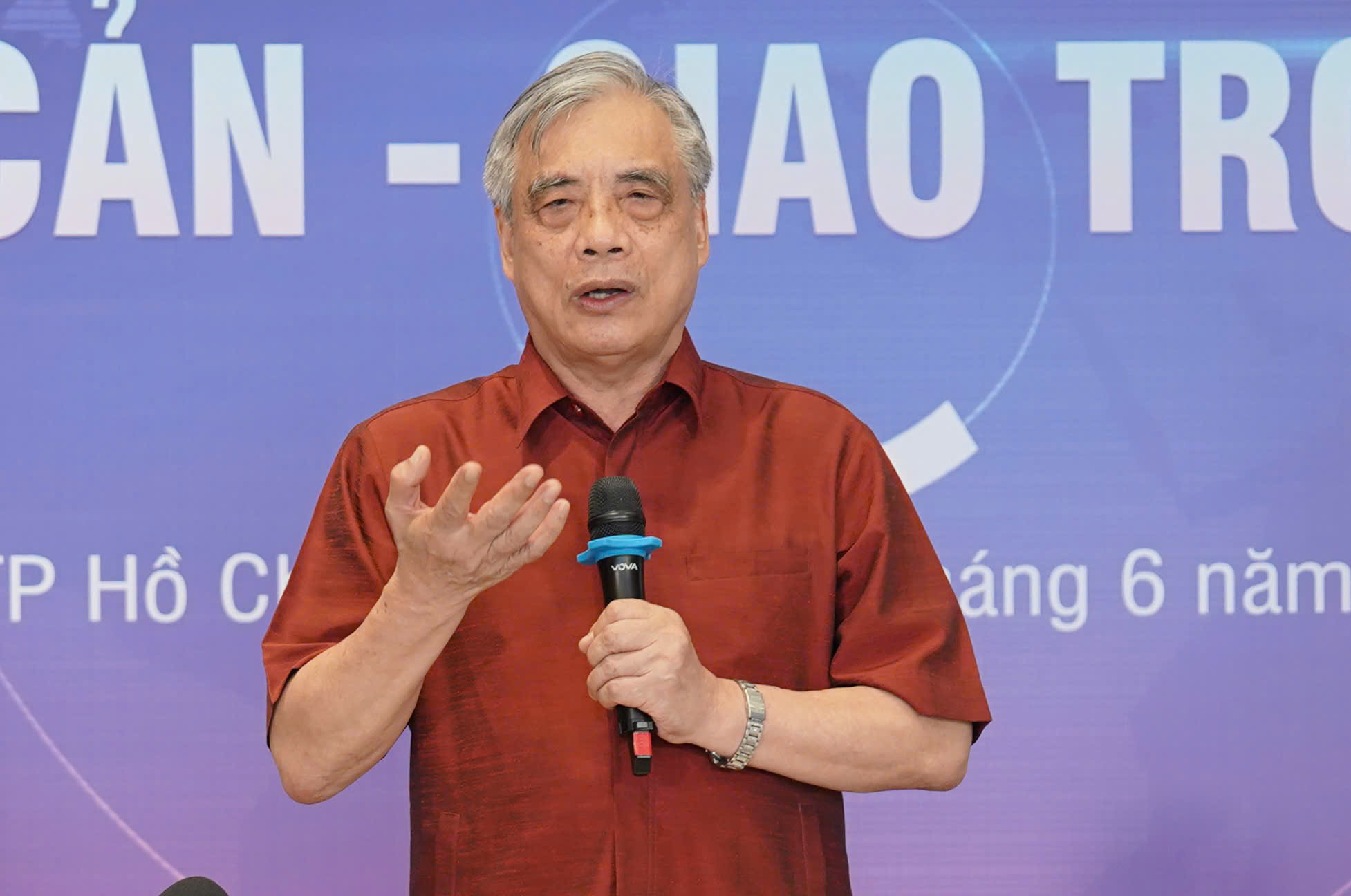
Associate Professor Tran Dinh Thien, Member of the Prime Minister's Policy Advisory Council:
It's time to fully open up to the private sector.
Currently, the private sector is gradually asserting its position, entrusted with an unprecedented mission. Everyone acknowledges that this sector is the most important engine of economic growth; however, its strength and competitiveness still face many challenges.
Given the immense responsibility entrusted to them in a context where the private sector is still weak, how can we expect them to shoulder a significant role in contributing to the country and the economy?
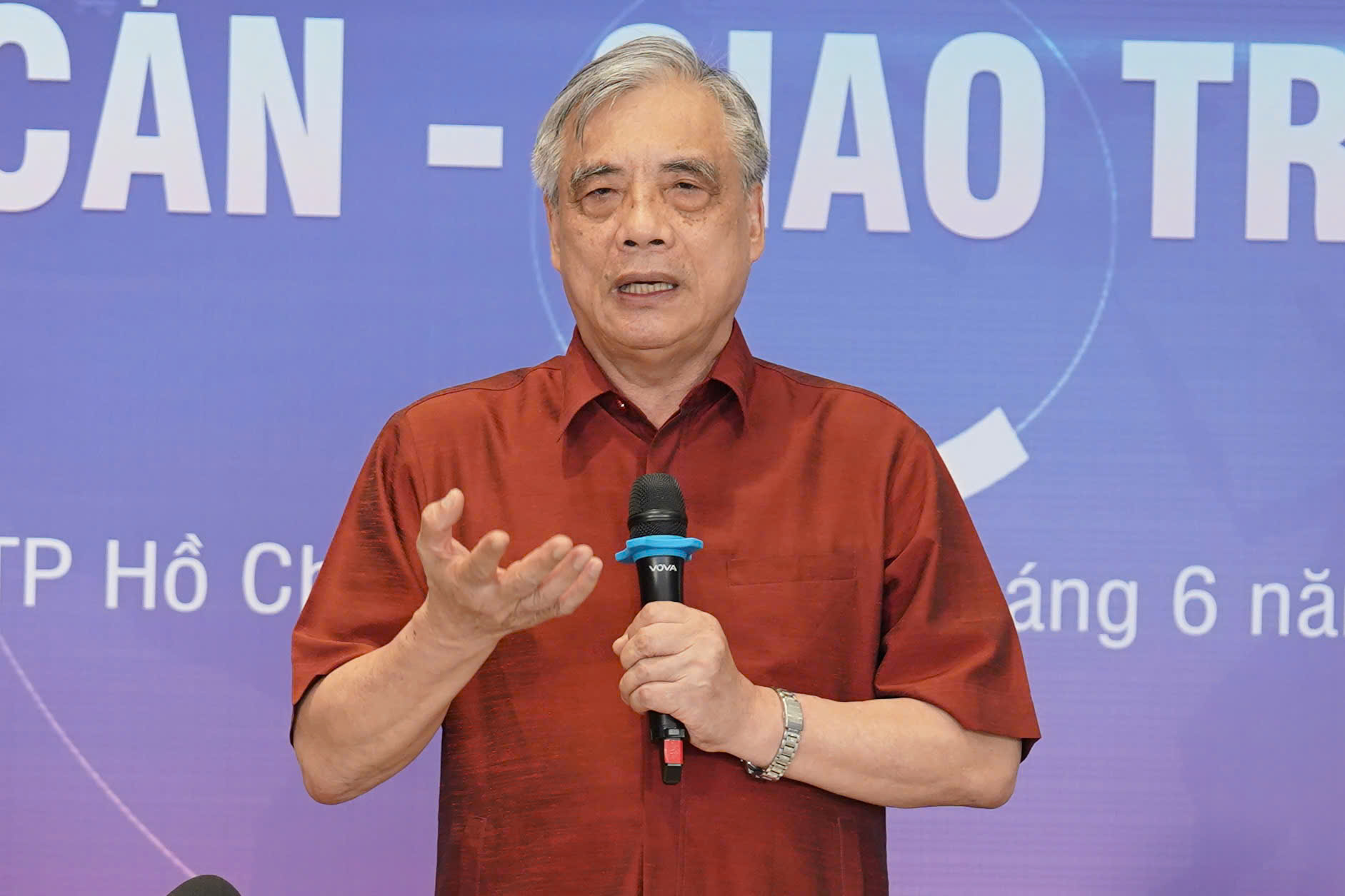
In terms of strength and position, a few years ago, statistics showed that Vietnam's private sector only contributed about 40–411% of GDP. Two years later, according to the new calculation method, this figure exceeded 501% of GDP. This indicates a problem in the statistical methodology, but also reflects an improvement in the private sector's position. However, within this sector, domestic private enterprises initially contributed only 9–101% of GDP, and although this has increased, it remains quite modest compared to the FDI sector, which contributes up to 221% of GDP. This is because approximately 95–961% of private enterprises are small, medium, and micro-enterprises with limited potential.
The structure of export turnover also shows an imbalance: the FDI sector is increasingly accounting for a larger share, while the domestic sector is declining, similarly for imports. Vietnam is a fully open economy; total import and export turnover is equivalent to GDP, so the position of the private sector in the context of international competition needs special attention — especially when the US is applying retaliatory tariffs.
Therefore, a change in mindset and development structure is needed so that the private sector can grow stronger and avoid being negatively affected by tariff barriers.
Another factor is that the ratio of newly registered businesses to businesses that dissolve or withdraw from the market is increasingly close. This reflects a still challenging business environment and indicates the need for policy adjustments. In this context, the Politburo's issuance of Resolution 68, which considers the private sector as the central force of the economy, is very timely and necessary. Although this sector is currently weak, it is precisely because of this that it needs even more support to grow. Forums like today's forum organized by the Nguoi Lao Dong newspaper are of great significance in promoting awareness and action.

We need to put an end to the bottom-up "give and take" mentality.
Returning to Resolution 68, the key point is a change in mindset and ideological reasoning. Previously, the private sector was seen as an "outsider" force, but now it is recognized as "part of us," supported by increasingly open policies and institutions.
The "if you can't manage it, ban it" mentality needs to end. Previously, policies weren't truly market-oriented or supportive of the private sector. Now, we need to develop all types of markets simultaneously: resource markets, land markets, financial markets, etc.
Reforms in economic and legal institutions also need to be accelerated. The bottom-up "request-and-grant" mentality, which creates risks for businesses and lower levels, must be ended. Reform thinking must be top-down, clear, and decisive. Once the mindset is unified, implementation only needs to be synchronized and consistent.
Resolution 68 should not be considered alone, but should also be placed within the context of other important resolutions such as 57, 59, and 66, forming a comprehensive strategic framework. Businesses need to pay attention to and apply all four resolutions in a coordinated manner to ensure that new initiatives receive strong support.
At this point, there is no longer any reason not to fully open up to the private sector. At the same time, we need to boldly eliminate outdated legal systems and policy mechanisms—as they are no longer suitable for promoting development. A new, modern system, suited to the needs of the private sector, is necessary to give them the opportunity to thrive.
Especially in the current context, private enterprises can boldly propose groundbreaking initiatives. For example, Dr. Tran Du Lich once proposed building a free trade zone of the highest standard in Vietnam, aiming to attract leading global investors. In that spirit, it is necessary to create new, distinctive models based on high technology, entrepreneurship, innovation, and to create genuine opportunities for businesses.
Dr. Tran Du Lich, former Director of the Ho Chi Minh City Institute of Economics.:
Business conditions still "tie the hands" of private enterprises.
Besides Resolution 68, we also have Resolutions 57, 59, and 66. These are considered the "four pillars" that create a consistent strategic whole – a crucial turning point in national policy-making thinking, opening up opportunities for the country to make breakthroughs in the new era.
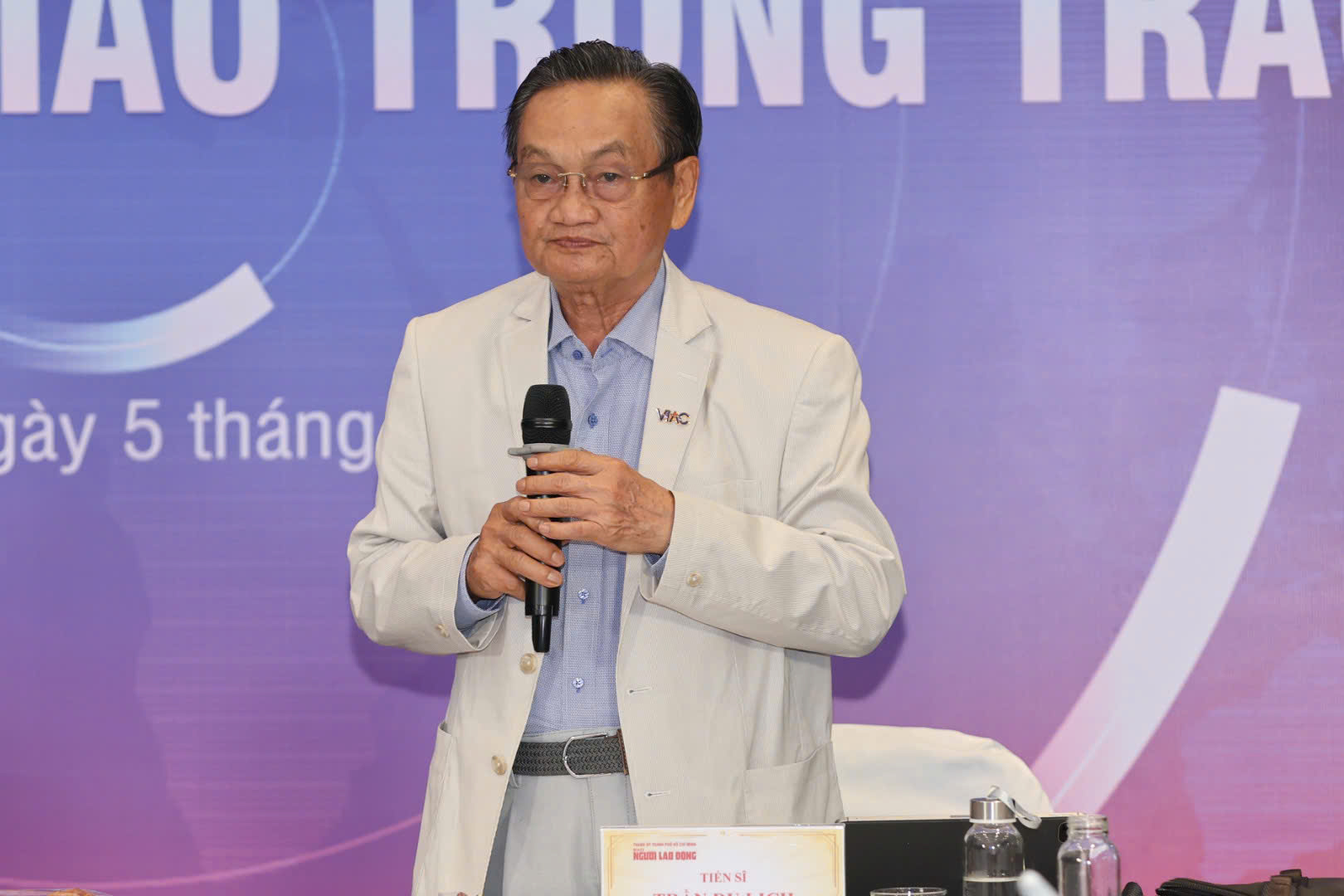
With these "four pillars," Vietnam is facing a great opportunity to accelerate and develop strongly. However, to successfully implement them, a prerequisite is a revolution in the restructuring and reform of the state apparatus. Reorganizing the apparatus in a streamlined, effective, and efficient manner is the foundation for realizing the strategic vision set forth by these "four pillars." When implemented synchronously and effectively, these resolutions will contribute to building a truly constructive and developmental state. It can be said that we have never had such a great opportunity as we do now.
Specifically regarding Resolution 68 on the development of the private economy, this document clearly states that the private economy is one of the most important driving forces of the national economy. It is evident that our attitude and perspective towards the private economic sector have undergone a fundamental change.
I was involved in drafting business law from 1990-1991, and I can say that the biggest obstacle throughout the development process was the perception of the role of the private sector in a market economy. It was a difficult and lengthy transition. Initially, the private sector was almost completely excluded. Then came the phase of "allowing business but requiring permits" for each industry and sector. Following that was the gradual removal of barriers, allowing broader business registration.
A major turning point came with the 2014 Investment Law, which stipulates that businesses are allowed to operate in all sectors not prohibited by law. This represents a step forward in legislative thinking, creating a more favorable environment for the private sector. However, in reality, private businesses still face a "maze" of overlapping and cumbersome business conditions, significantly restricting their freedom of business.
The press has repeatedly reported on this situation, with thousands of business conditions still existing as invisible barriers. Therefore, placing the private sector in its proper role and position within the market economy is absolutely essential – not only at the policy level but also in the practical implementation of the law.
Creating favorable conditions while simultaneously mitigating risks?
How should policies on ordering, restricted bidding, direct contracting, or encouraging private sector participation alongside the State in strategic and key sectors be implemented to both facilitate businesses and ensure effective management, minimize risks, and prevent losses?
This issue has been very specifically institutionalized in Resolution 198 of the National Assembly, based on Resolution 68 of the Politburo.
I would like to share a story from 30 years ago in South Korea to illustrate the "political will" behind commissioning and designating the private sector to participate in strategic, key areas.

At that time, the South Korean leader met with the Chairman of Hyundai Group and clearly stated the goal of developing the shipbuilding industry. Afterward, the Hyundai Chairman went on field trips, consulting experiences in many countries around the world. Based on that, he reported back: "We have no basis to compete in the shipbuilding sector." At this point, the South Korean leader demanded: "Either you go back to shipbuilding, or you never see me again." And in the end, they succeeded.
From that story, it's clear that Vietnam needs the participation of the private sector in strategic projects with strong political will. There must be large-scale projects involving the private sector. Without strong political will, everything will remain just empty discussions.
When large private enterprises participate in key national projects, it is necessary to create a ripple effect, attracting smaller enterprises to develop alongside them. A lack of linkage between large and small enterprises should be avoided.
Ms. Ly Kim Chi – Chairwoman of Tan Dong Hiep Group, Chairwoman of the Ho Chi Minh City Food and Beverage Association: The legal regulations are still overlapping, and policies change too abruptly.
The legal environment for businesses has achieved many important milestones in the process of lawmaking and creating a business environment, yielding some positive results. However, the current institutional system still faces many major challenges.
In particular, overlapping legal regulations, overly abrupt policy changes, and a lack of transparency in enforcement mechanisms are becoming serious obstacles for businesses.

In some sectors, businesses still perceive a management mindset that favors "if you can't manage it, ban it," rather than a constructive approach. This is the biggest obstacle preventing businesses from continuing to face difficulties in law enforcement and production and business development.
Currently, there are hundreds of thousands of small-scale business households nationwide. These households have the potential to transform into formal enterprises if they receive appropriate support in terms of mechanisms, tax policies, and accounting. In the context of the implementation of Resolution 68, business households in Ho Chi Minh City can develop and successfully transform into enterprises if they receive timely attention and support.
So what are the urgent solutions to create real change? Besides Resolution 68, there is a need for other resolutions with clear action plans, specific and quantifiable goals, and especially specific responsibilities assigned to the heads of ministries, sectors, and localities. At the same time, there needs to be a strong shift towards a constructive mindset, viewing businesses as equal partners in the country's development process.
The urgent task now is to immediately remove these barriers, in accordance with the spirit of the Constitution: "Citizens are free to do anything that the law does not prohibit."
It is necessary to eliminate overlapping and unreasonable business conditions. Business support should not be limited to loans but should extend to policies that ensure equal rights in production and business, creating conditions for businesses to develop stably and sustainably, and contribute to the overall development of the economy.
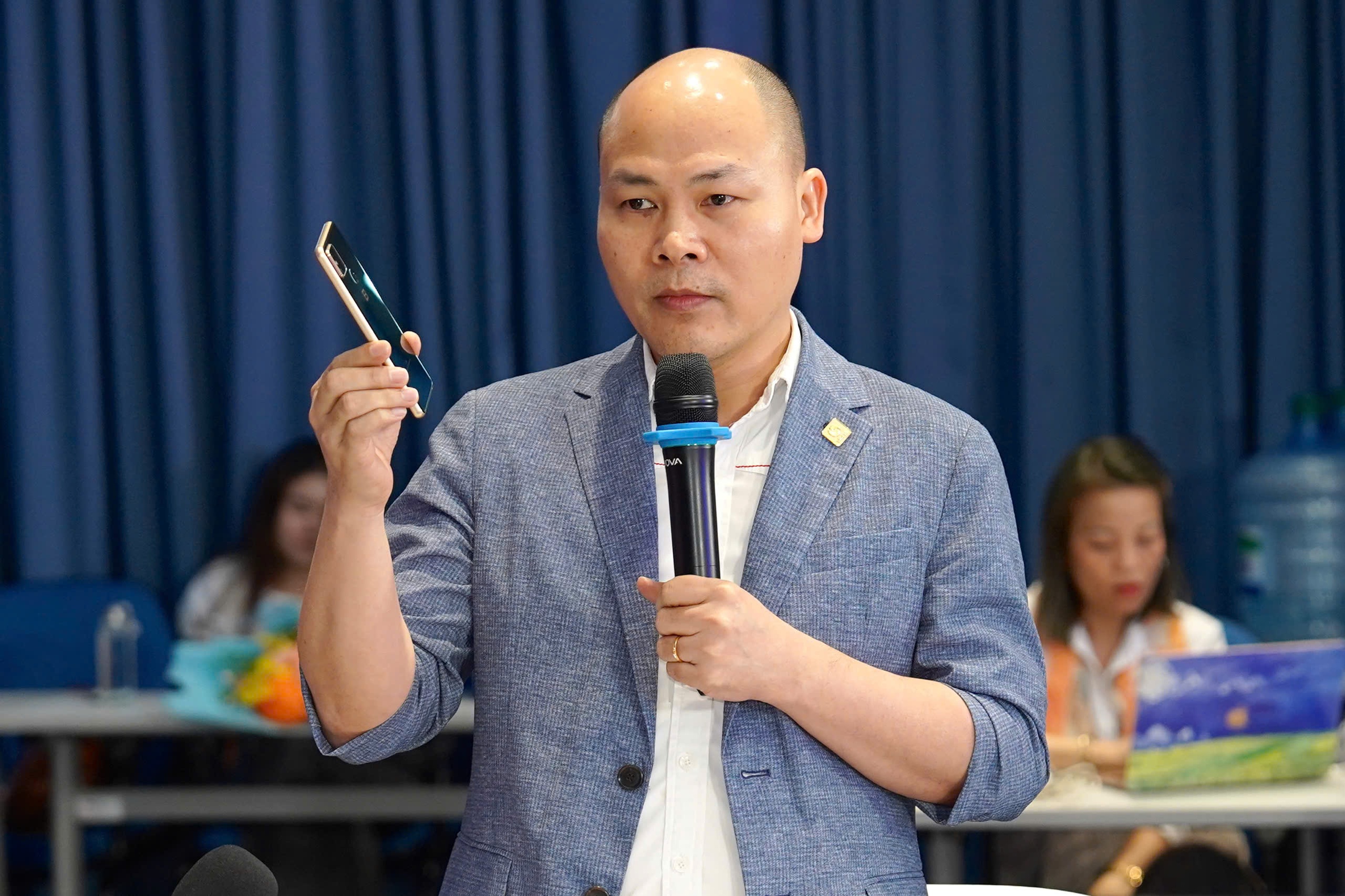
Mr. Nguyen Tu Quang, General Director of BKAV Group: We need a business environment where competition is fair.
I started working in software development in 1995, so I have a very good understanding of the capabilities of Vietnamese people in this field – we are among the world leaders.
In fact, when ChatGPT was launched, it caused a global sensation and was considered a historical milestone, no less significant than the discovery of fire. Among these revolutionary technologies, two were created or co-created by Vietnamese people. Vietnamese people have made and continue to make very important contributions.
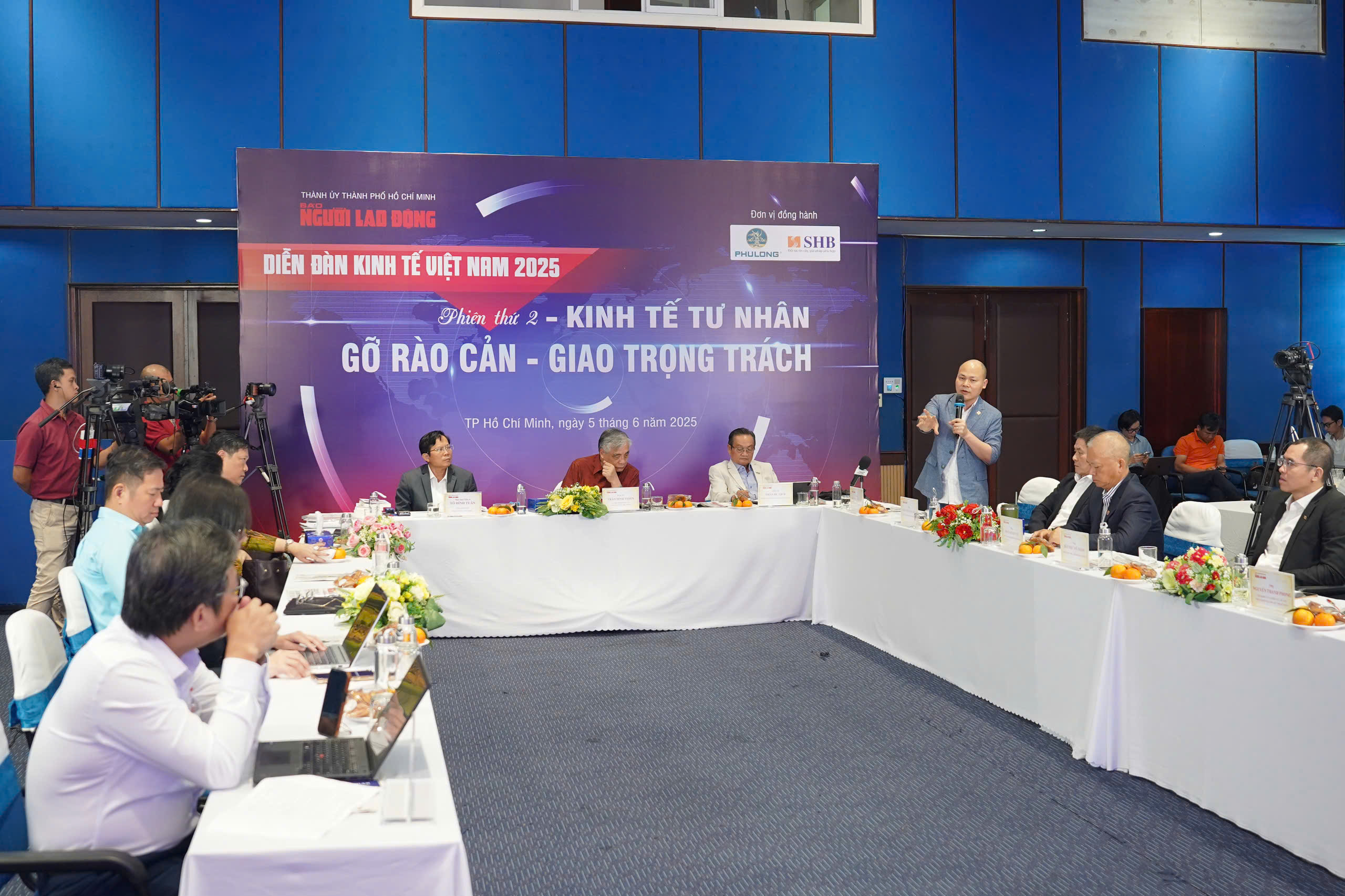
Like BKAV Group, which launched Bphone 10 years ago – a product comparable to Apple and Samsung, although each company has its own strengths. We have signed agreements with over 300 suppliers to manufacture phones. However, BKAV has not yet become a "Big Tech," and many Vietnamese engineers, despite playing crucial roles in core technologies, are still employed by large corporations like Google.
I am very pleased that recently, the Politburo, the Government, and leaders at all levels have shown deep concern for technological development and innovation. However, I also wonder: Why is it that despite having the potential and resources, Vietnamese people have not yet been able to develop strongly and achieve the breakthroughs we had hoped for?
We are a private company operating in the technology sector since 1995. Around 2010, state-owned enterprises began to enter the information technology field. The typical approach of state-owned enterprises was to recruit personnel from private companies and pay them higher salaries.
But with the current mechanisms of the public sector, it's very difficult to innovate. For example, if an investment of 100 million VND fails, they may face administrative or even criminal liability. Meanwhile, private businesses like ours can invest trillions of VND – it's my money, and I have the right to decide.
The state operates on a short-term, term-based mindset, making it difficult to pursue long-term technological strategies. Therefore, groundbreaking products are less likely to emerge in the public sector compared to the private sector.
Look at examples like OpenAI or DeepSeek – initially companies with just a few dozen employees, but later creating world-shattering products, expanding to thousands of employees, and generating trillions of dollars in value.
Vietnamese people are perfectly capable of doing that. The most important thing is to have a fair business environment, as many experts have mentioned. With over two decades of experience and patience in the technology sector, I believe that fair competition is the key factor for the strong development of Vietnamese private enterprises.
A clear and transparent legal framework is needed, with mechanisms and policies that create a level playing field for all businesses. Only then will Vietnamese businesses have the opportunity to break through and make a real contribution to the country's development.
Mr. Tran Anh Dung, Managing Director of Hung Hau Development Joint Stock Company: Emphasis must be placed on developing small and medium-sized enterprises.
The most pressing need now is to avoid a situation where "things are streamlined from top to bottom" and to carry out a genuine revolution in administrative procedure reform.
In addition, it is necessary to create a favorable environment, remove obstacles, and encourage business development. Beyond just policy, the State also needs to nurture an ecosystem that supports businesses through both financial and non-financial tools.

Nearly 30 years ago, I researched why Chinese businesses could grow so rapidly and expand globally, including very young businesses, even startups with little capital.
During my survey trip to China, I realized something important: They have many very specific and effective support policies. For example, when businesses open factories in industrial parks, the government provides support in terms of land and loans to build dormitories for workers. In many places, land use fees are waived, and infrastructure investment is provided so that businesses can build housing for workers at very low rents. Thanks to reasonable living costs and wages, the competitiveness of businesses is significantly enhanced.
Furthermore, I completely agree with Dr. Tran Du Lich's view: We must focus on developing small and medium-sized enterprises, because many of the large businesses of the future are the small businesses of today.
We need to create a legal framework and conditions for development not only domestically but also towards building a national brand at the regional and international levels. This is also one of the important directions to move away from the role of outsourcing, minimizing the risk of being subject to reciprocal tariffs in the future when participating in global value chains.
Mr. Nguyen Quoc Ky, Chairman of the Board of Directors of Vietravel Group: Tailored policies are needed to address the six fatal weaknesses of private enterprises.
What do private businesses need? We need to look at this from two perspectives: the state and the private sector. In my opinion, the effectiveness of a policy should be measured by the speed at which it is put into practice and implemented in real life.

Currently, we have the "four pillars" comprising Resolutions 68, 57, 59, and 66. However, the biggest obstacle remains the outdated system, operating in a piecemeal and fragmented manner. Therefore, a complete reassessment of the institutional, organizational, and human resources system is necessary. People from "yesterday," after reorganization, may remain in their positions and carry with them a hesitant and reluctant mindset. "Even an off-road vehicle cannot navigate a road that has not been leveled."
Currently, private enterprises remain weak and fragmented, with many fundamental limitations. Among them, there are six "fatal" weaknesses hindering the sustainable development of this sector.
Firstly, a shortage of capital and difficulty accessing financial resources prevent businesses from expanding or investing in depth. Secondly, the management capacity of many businesses is weak and has not kept pace with modernization requirements, leading to inefficient operations and difficulty adapting to a volatile market.
Furthermore, human resources in the private sector are also a significant weakness, as the quality of labor does not meet the requirements in terms of expertise, skills, and industrial work ethic. The lack of investment in innovation is another factor that makes the products and services of these businesses uncompetitive and unable to differentiate themselves in the market.
Furthermore, businesses often lack linkages within the value chain, frequently operating in isolation and fragmented, leading to low efficiency and difficulty in expanding into larger markets. Finally, limited legal knowledge makes it difficult for many businesses to comply with regulations or take advantage of support policies, and can even expose them to legal risks.
In this context, human resources and corporate culture are only average, while financial capacity is particularly weak. So, what is the solution? The government needs to develop tailored policies to address each of these specific weaknesses.
For example, we currently lack a set of mechanisms for evaluating and governing private enterprises, in order to accurately measure the quality of businesses. Regarding digital transformation specifically, there is a need for a digital governance system specifically for private enterprises, tailored to their respective sizes.
Regarding investment in innovation, why aren't our product designs as fast and attractive as those of China? The reason is that the spirit of innovation is not yet present within our businesses. Before relying on external sources, we need to cultivate a spirit of innovation from within the company. Furthermore, the lack of linkages along the value chain also leads to fragmented and small-scale collaborative relationships.
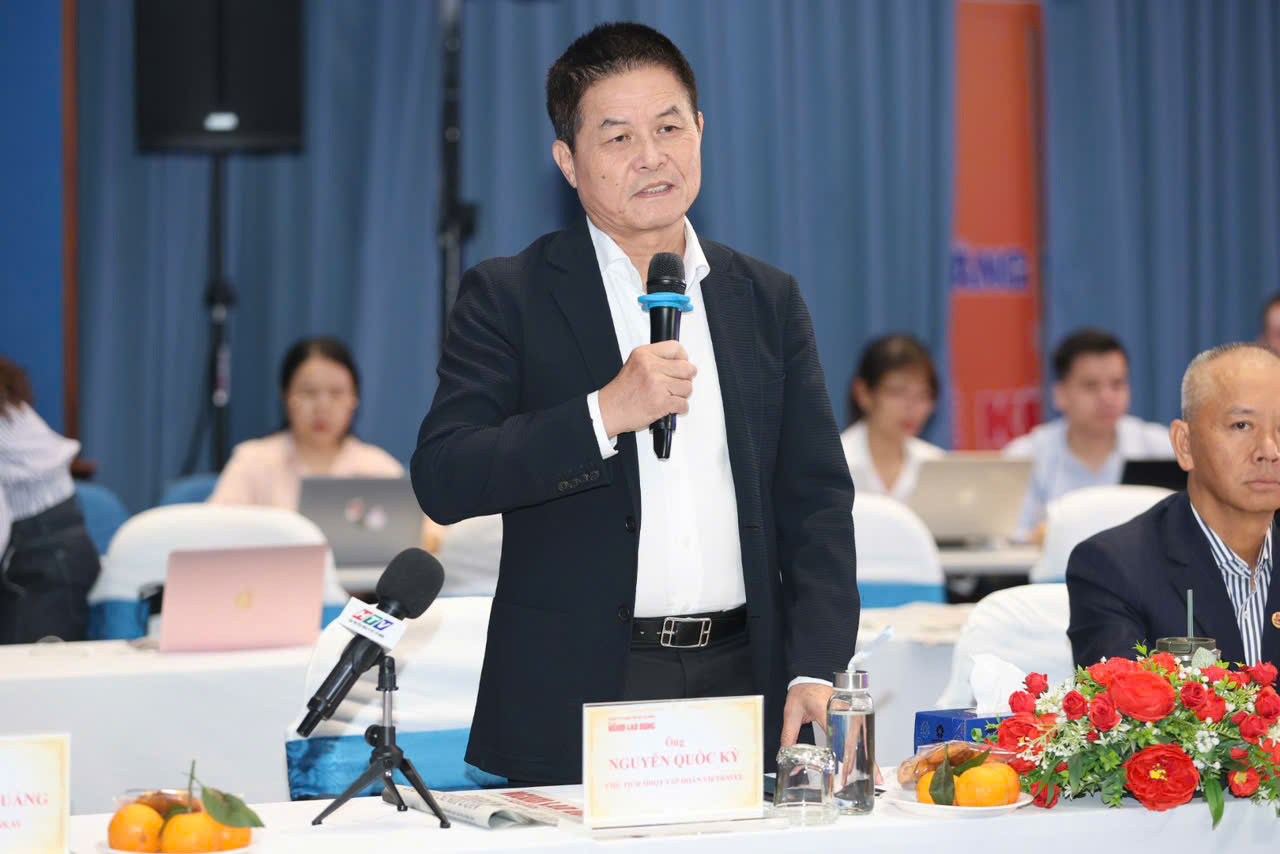
Human resources are also a serious problem. In the tourism industry – a key economic sector – there are currently over 801 untrained workers, with only about 201 trained at the elementary level or higher. Vietravel once proposed establishing six national tourism promotion offices abroad, but this has yet to be implemented due to bureaucratic obstacles. With this situation, it is very difficult for the tourism industry to take off.
Another weakness is that private businesses find it difficult to grasp the law, due to the overly complex and overlapping legal system. This is the reason why policy implementation is slow and ineffective. Private businesses wanting to "step out without being caught off guard" need a buffer zone to support and guide them, preventing them from going down the wrong path.
Regarding the organizational structure for implementing the Resolutions, Dr. Tran Du Lich believes that a "revolution" is needed – reorganizing the entire legal system in the spirit of Resolution 66, while simultaneously reforming institutions, the apparatus, and personnel. We have talked a lot about institutional reform, but without reforming both the apparatus and the people, we cannot create substantive change.
Lawyer Truong Thi Hoa: Legal security is extremely important; if you're not confident about it, you won't dare to do anything.
I am very impressed with the theme of today's Forum: "Removing Barriers – Assigning Responsibilities". The four pillar resolutions we have have promptly identified, analyzed, and correctly assessed the bottlenecks in the institutional system, thereby opening up opportunities to remove the barriers hindering the development of businesses, especially the private sector.
These barriers largely stem from cumbersome administrative procedures and outdated legal regulations that are no longer relevant to the evolving economy. Therefore, a comprehensive review and amendment of legal documents is urgently needed. Only after these barriers are removed can businesses truly be entrusted with their responsibilities.

The target of having 2 million businesses by 2030, creating jobs for approximately 84-851 workers, contributing 551% of GDP, and aiming for 651% in subsequent years, is a very ambitious goal. The responsibility placed on the private sector is considerable, as it is the pioneering force in innovation and the most important driving force of the economy, as clearly stated in Resolution 68.
Particularly noteworthy is the spirit of decriminalizing economic and civil relations, not only for the private sector but for the entire economy. This is of great significance because in the business environment, without legal security, businesses cannot operate with peace of mind, nor dare to invest or expand. Peace of mind is a prerequisite for sustainable business development.
In legal situations that fall between administrative/civil and criminal proceedings, non-criminal options should be prioritized. If criminal proceedings are necessary, the focus should be on mitigating economic consequences first. Simultaneously, state inspection and auditing activities need to be reformed to provide support and warnings to businesses, enabling timely adjustments rather than waiting until violations occur before taking action.
Therefore, training and improving the professional skills and ethical conduct of civil servants and public employees is extremely necessary. They need to become a force that serves the people and businesses, protecting the freedom of business and property rights in accordance with the spirit of the Constitution.

Currently, the regulation that businesses should only be inspected once a year, primarily through online methods, and only conduct surprise inspections when there are signs of violations, is a correct step that creates peace of mind for the business community. Inspection activities should be understood as aimed at helping businesses avoid violations, not at criminalizing economic and civil relations.
Therefore, I believe it is necessary to continue reviewing, amending, and supplementing the Criminal Code and the Criminal Procedure Code to more fully and clearly institutionalize this principle. Only when the law truly serves as a foundation and a safe corridor for economic activity can businesses confidently invest, innovate, and develop.
With a holistic vision and unwavering belief based on the solid foundation of the four pillar resolutions, I believe that Vietnam will rise strongly, entering a new phase of development, like the legendary Saint Gióng taking flight – but on the path of a modern, integrated, and sustainable economy.
Dr. Tran Du Lich, former Director of the Ho Chi Minh City Institute of Economics.: How should we delegate responsibilities to the private sector?
The essence of Resolution 68 and Resolution 198 is to "remove barriers and delegate responsibilities" to the private sector, and I believe that delegating responsibilities is essential. To achieve this, strict management is first necessary to minimize risks.
Before assigning a task, a thorough assessment of the company's financial capacity and implementation capabilities is necessary. For example, if a company is assigned a project over 3-5 years but has not been successful in the past, its capabilities should be reviewed, along with an assessment of its ability to mobilize technological resources, including both foreign and domestic resources.

For a key project, it is crucial to have independent and national consultants to thoroughly assess factors such as investment capital and technology according to international standards. Independent consultants help select the optimal solution, especially regarding investment costs, which must be calculated carefully and transparently.
Furthermore, a strict monitoring mechanism is needed during project implementation. Entrusting the project to the private sector does not mean complete delegation; there must still be strict oversight, especially during project execution. If the state provides loans, those funds must be used solely for the project's intended purpose and not for other uses.
Throughout the process, state management agencies must be responsible for accompanying, supporting, and helping businesses overcome difficulties. If these factors are done well, we should boldly entrust important responsibilities to private enterprises, while state agencies must be a solid support system for them to carry out their work.
Delegating responsibility doesn't mean complete outsourcing; it requires a combination of control, collaboration, and support. Some metro lines could certainly be implemented in this way. If the spirit of Resolution 68 is followed correctly, several projects will be launched this year to leverage the role of the private sector.
Mr. Nguyen Thanh Phong, Director of Vietnam 194 Infrastructure Investment - Consulting - Development Joint Stock Company: Businesses want to overcome difficulties and participate in highway investment.
Company 194 wishes to participate in investing in highway projects under the PPP and BOT contract models, and is committed to investing capital in projects such as National Highway 22, National Highway 1A, National Highway 13, and the North-South expressway connecting to Long Thanh. Currently, the company has made full preparations in terms of finance and human resources.
Current policies have "paved the way" for businesses to participate in highway development; however, one criterion remains a sticking point: businesses must invest for at least 5 years in two BOT highway projects. Therefore, the company wishes to have this criterion adjusted down to "at least 5 years in one BOT highway project".
Mr. Phan Dinh Tue, Chairman of the Board of Directors of Bamboo Airways, Vice President of the Ho Chi Minh City Business Association.: There are still many barriers to transitioning from a household business to a formal enterprise.
It is essential to clearly identify the barriers that the private sector faces in order to delegate responsibilities along with appropriate resources and support.
Associate Professor Tran Dinh Thien also frankly acknowledged that small and medium-sized enterprises are currently very weak, and although it may sound disheartening, it is the truth.
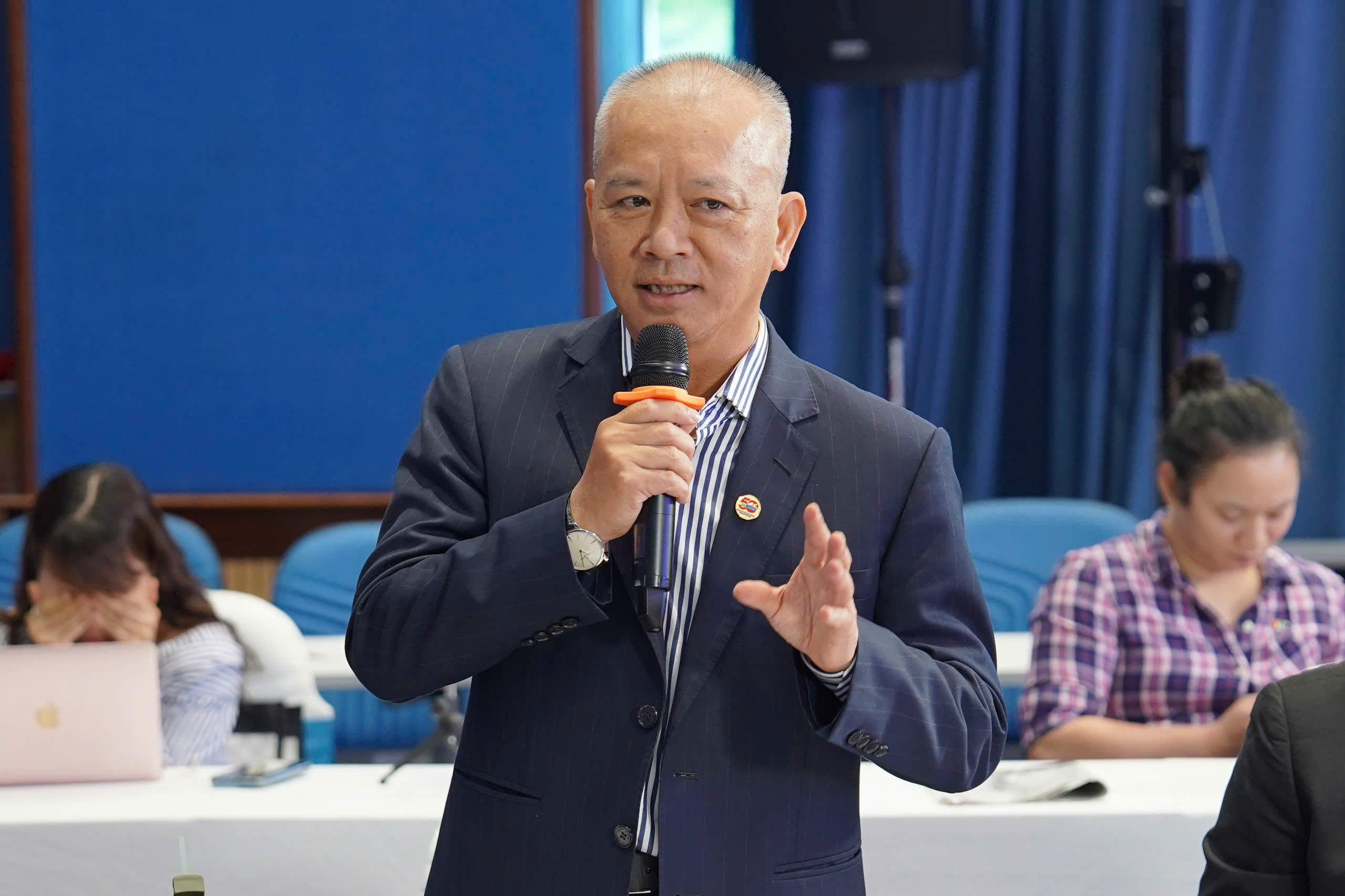
Resolution 68 sets a target of 2 million businesses nationwide, and I believe we can absolutely upgrade and guide the approximately 5 million currently operating household businesses to participate in this goal. However, there are many obstacles to transforming from household businesses to enterprises, not only in terms of capital but also in terms of awareness. When an individual transforms into an enterprise, legal regulations and institutions must change accordingly, and the business owner needs to keep up with the requirements in terms of management, finance, etc.
We need ways to support them and help them feel more confident during the transition. It's incredibly difficult for a small business, like a grocery store, to prepare financial reports. Recently, there was a case of a recent graduate who started an online business during the COVID-19 pandemic, generating several billion dong in revenue, but suddenly faced back taxes of several hundred million dong due to new electronic tax regulations. Without a reasonable solution, many small businesses like this will struggle to survive.
In this context, both businesses and banks need to adapt. Besides providing support through interest rate policies, banks need to participate in supporting business management.
We will collaborate with IT companies to provide, or even offer free, management and accounting software to small, medium, and micro-enterprises, and especially to household businesses when they convert to enterprises, helping the transition process to be smoother.
Associate Professor Tran Dinh Thien, Member of the Prime Minister's Policy Advisory Council: Our private businesses are very good.
Although Vietnam's private sector is still weak, frankly, they are very capable and always maintain a determined spirit to contribute to the economy. If opportunities are expanded for this sector, the goal of achieving 81% economic growth and even double-digit growth is entirely feasible.
The Party and the State need to place trust in private enterprises, create a fair environment, and not allow regulations to restrict them. Over the past 40 years, we have shifted from merely acknowledging the existence of private enterprises to affirming their important position.
However, businesses also have a responsibility to live up to that trust by making efforts and being proactive instead of just waiting for approval. For example, in a meeting on opening a gold exchange to combat the SJC gold bullion monopoly, General Secretary To Lam emphasized that we have long been accustomed to tight control, but now we need to shift to a mindset of trust and openness for more effective governance. The State and businesses must work together to achieve common development goals.
One important task now is to support millions of household businesses in transforming into enterprises, which requires simplifying the conditions and creating maximum convenience.
Along with reform pressure from the central government, localities must also act decisively. The motto "Assign responsibilities - Remove barriers" needs to be implemented with a spirit of fundamental innovation, helping the Vietnamese economy rise to the level of the world.
Currently, we are on the right track, but we need more proactive and concrete steps. Ho Chi Minh City is expected to lead the way, helping many Vietnamese private enterprises compete with major global powers.
Journalist and Doctor Tô Đình Tuân, Editor-in-Chief of Người Lao Động Newspaper: With ambition and the support of the four pillars of development, we will enter a new era of growth.
This is the second session of the Vietnam Economic Forum 2025 and the sixth since the Forum was first organized, and we are determined to maintain the forum every three months.
The editorial board of Nguoi Lao Dong Newspaper and the organizing committee decided to choose this theme, "removing barriers - entrusting responsibilities," because immediately after Resolution 68 was issued, the newspaper organized several talk shows to discuss the deregulation, breakthroughs, and creation of a special environment for the private economy.

And this second session focuses on removing barriers and entrusting the private sector with important tasks for the country.
As the Prime Minister said, assigning tasks to businesses like Thaco, Hoa Phat, and Vingroup involves specifying what they will do, and ensuring that these tasks are subject to control, rather than simply delegating responsibilities as Dr. Tran Du Lich suggested. The State should only lend money to businesses for specific projects, and not allow them to invest in other sectors.
All of this requires building a legal framework and preparing a roadmap to enter a new phase. Especially from the end of this year and the beginning of 2026, Vietnam will also enter its 40th anniversary of reform and opening up the country, with expectations of new beginnings.
I once visited Shenzhen (China) and saw that in 1978 it was a fishing village, but now it has become a major technology hub; Singapore is similar.
Therefore, if we have the ambition, combined with the four pillars, we will succeed and enter a new era of development.
Nguoi Lao Dong Newspaper