In the wave of urban rail development and TOD (Transit-Oriented Development) models, construction capacity and resource readiness are becoming crucial metrics for construction companies. Proactively anticipating this trend, Construction Corporation No. 1 – JSC (CC1) is gradually increasing its domestic investment, from human resource training to research and mastering technology, thereby preparing the foundation for deeper participation in future high-tech infrastructure projects.
Accelerate training to prepare human resources for real-world operations.
As part of the intensive training program "High-Speed Rail - Urban Rail" in collaboration with Ho Chi Minh City University of Technology, CC1 organized a field trip to the Metro system after the theoretical classes, providing engineers and specialists with the opportunity to directly experience the actual operating system.
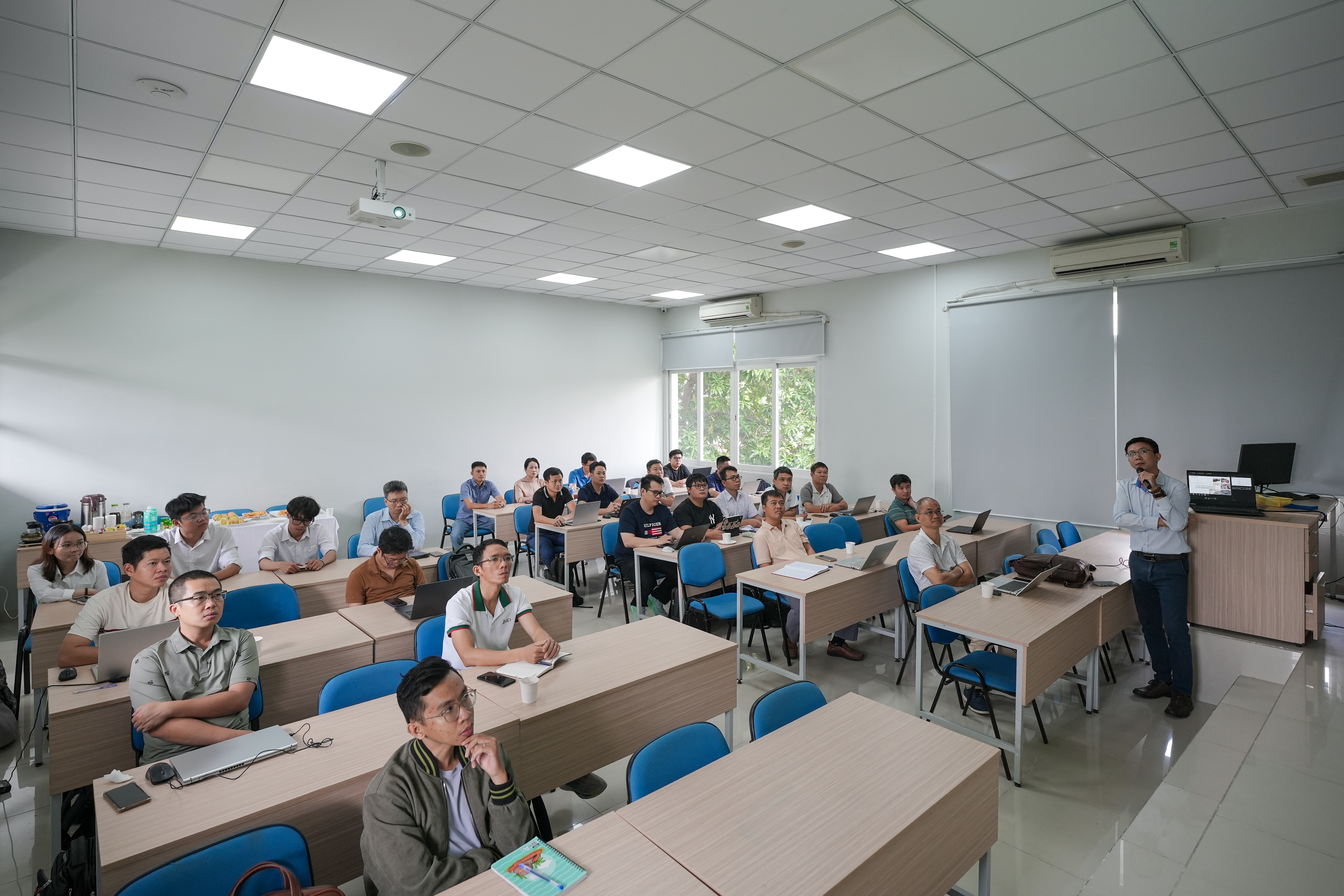
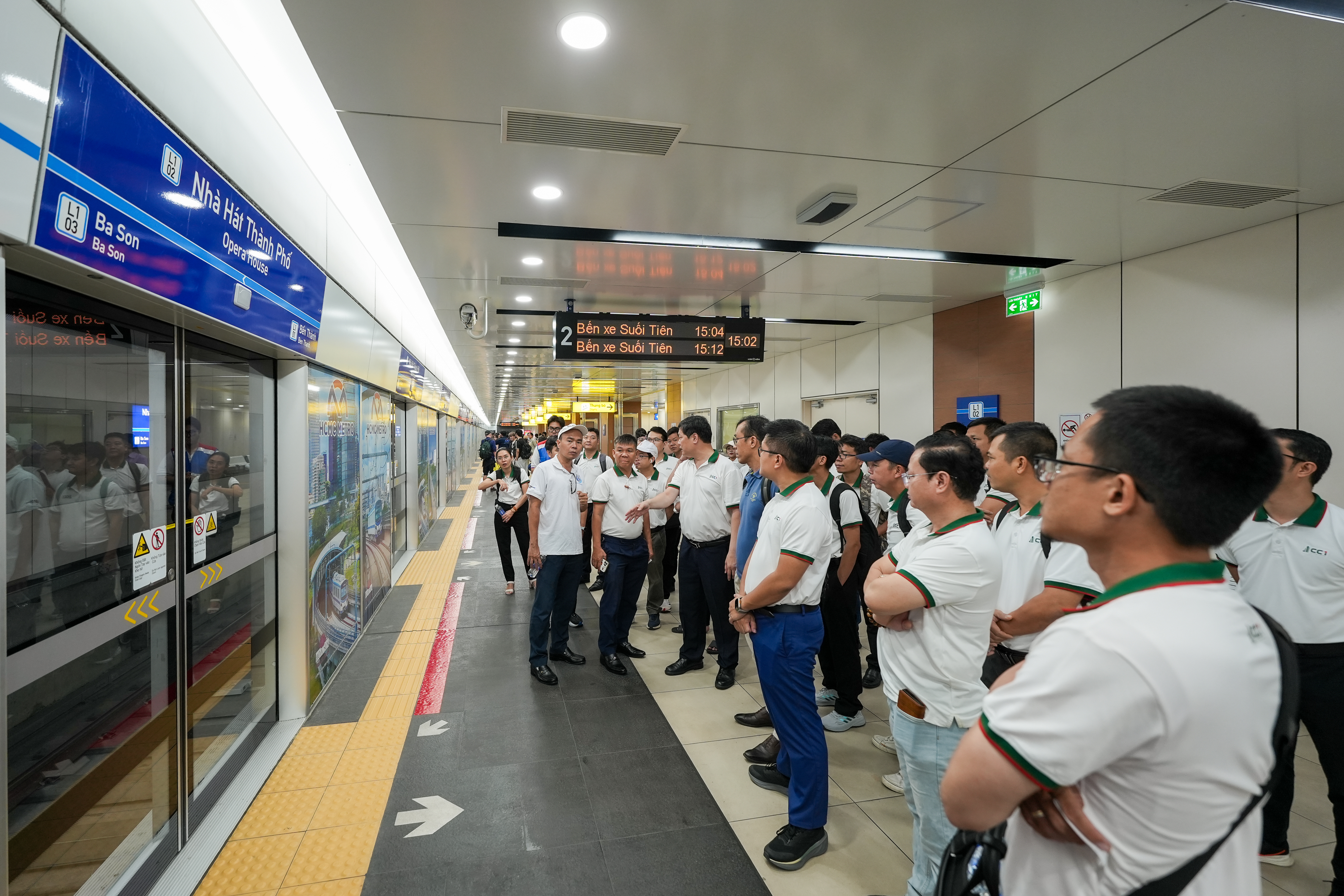
The training program spans approximately three months with a total of about 500 hours, encompassing both theory and practice. The content focuses on key technologies and engineering solutions such as diaphragm wall construction for metro projects, elevated station and viaduct construction, TBM shield tunneling technology for underground tunnels, mass concrete and precast components, and soil treatment solutions for railway infrastructure construction. Simultaneously, the team is also equipped with knowledge of construction organization, project management, and risk control for large-scale projects.
The participation of domestic and international experts helps CC1's engineering team gradually access modern technical standards, thereby systematically improving their professional capabilities. This also serves as a foundation for the company to prepare resources for the new phase of railway infrastructure development.
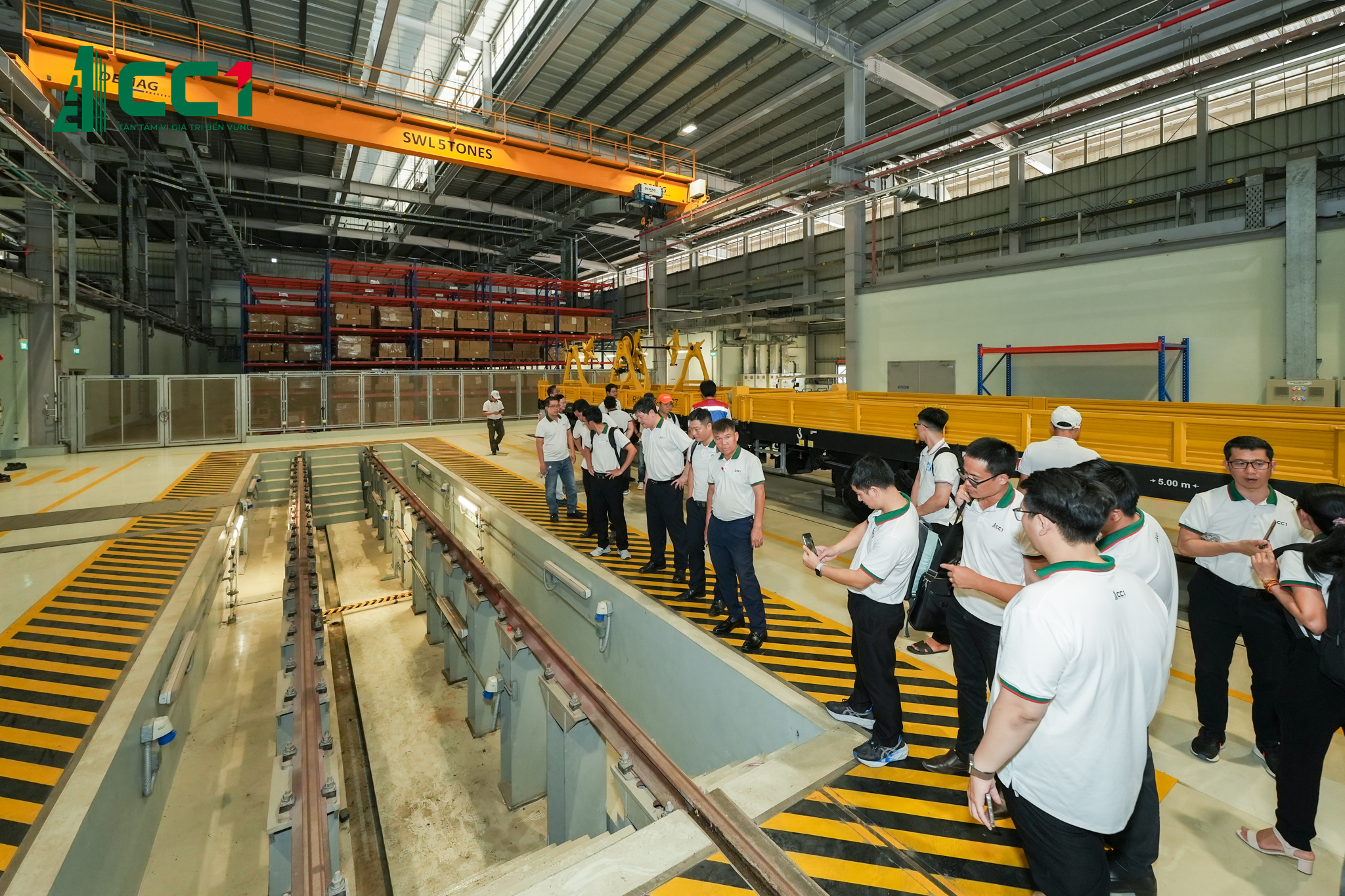
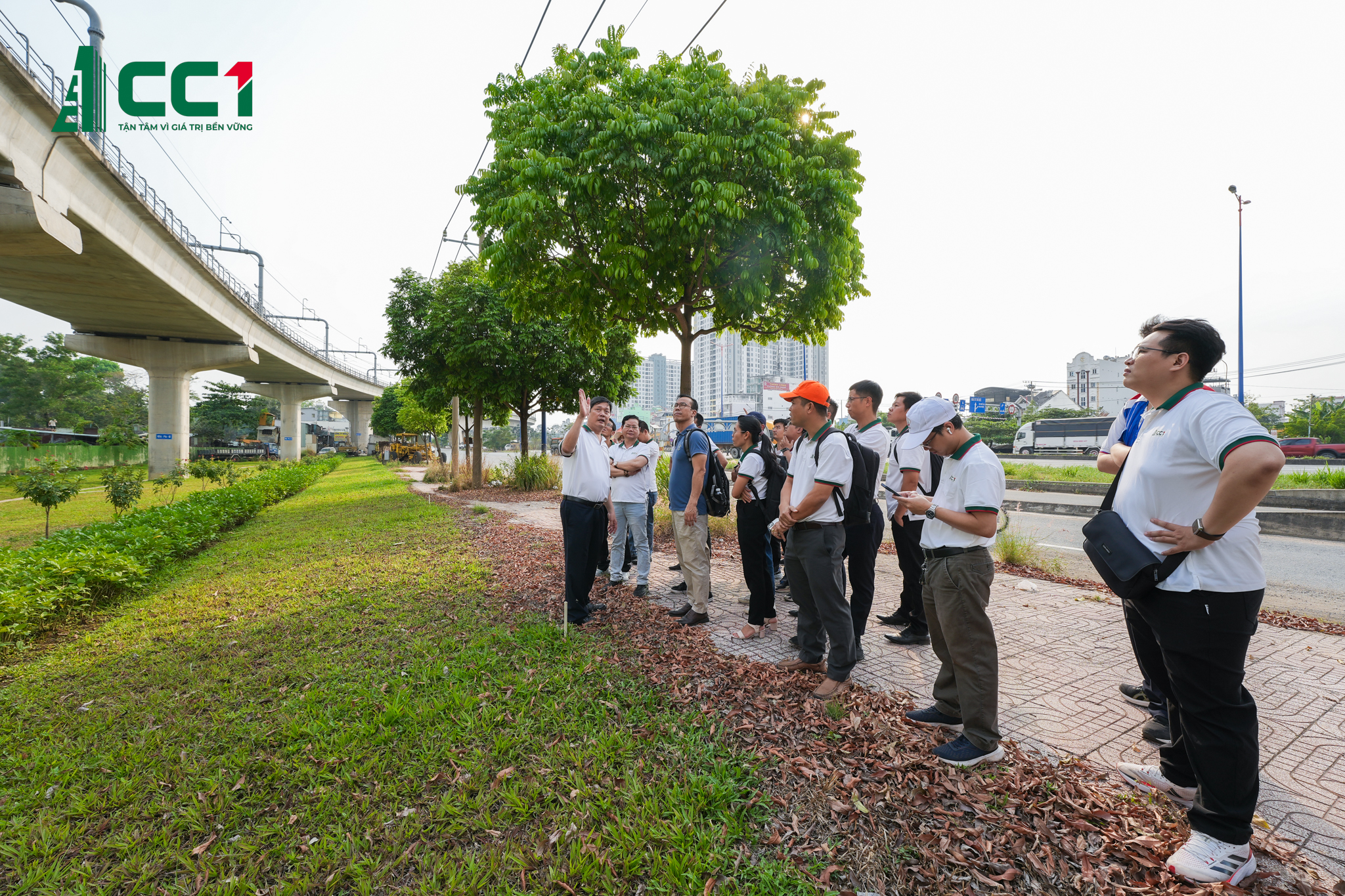
On Metro Line 1, CC1 participated in the construction of two important underground stations: City Theatre Station and Ba Son Station. These are projects with high technical requirements due to the underground construction conditions in the central urban area.
Learn about the TOD model.
Alongside its training activities, CC1 also actively participates in academic and research activities to gain a deeper understanding of the technical requirements of the TOD urban model and railway infrastructure, thereby aiming to become an investor in TOD areas.
Recently, the Ho Chi Minh City University of Architecture organized a scientific conference on the theme "TOD and Urban Railway Development," with the participation of CC1. The conference served as a scientific and practical forum, bringing together experts, managers, and businesses to exchange ideas on urban development orientations linked to public transportation (TOD), particularly in the field of urban railways. The event focused on sharing experiences, updating trends, and proposing solutions for sustainable infrastructure development, contributing to the promotion of modern urbanization.
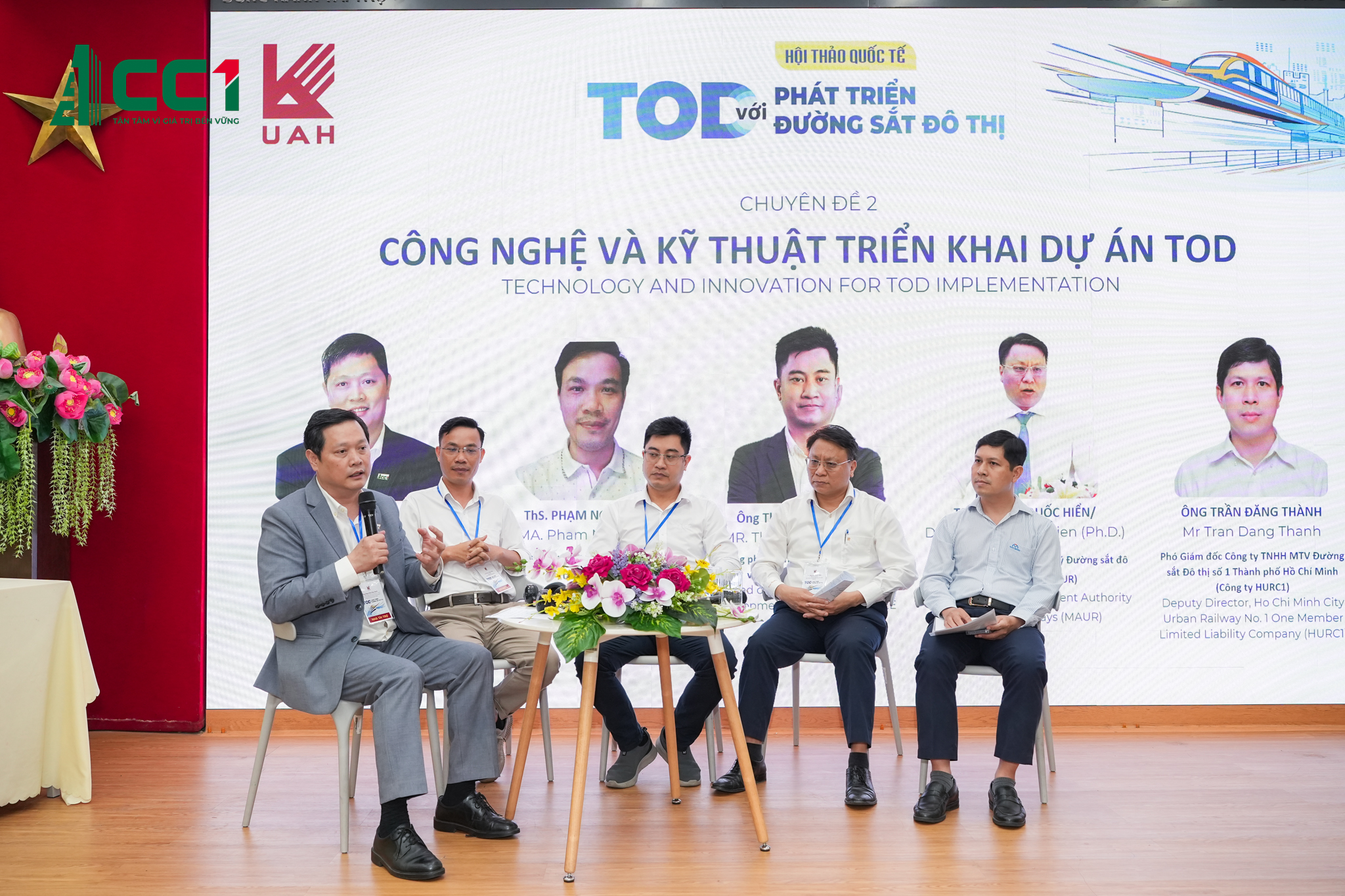
Furthermore, professional discussions highlight the distinct differences between TOD and traditional urban areas, with its high building density and spatial development both vertically and horizontally, leading to increasingly stringent requirements for technology, materials, and operation.
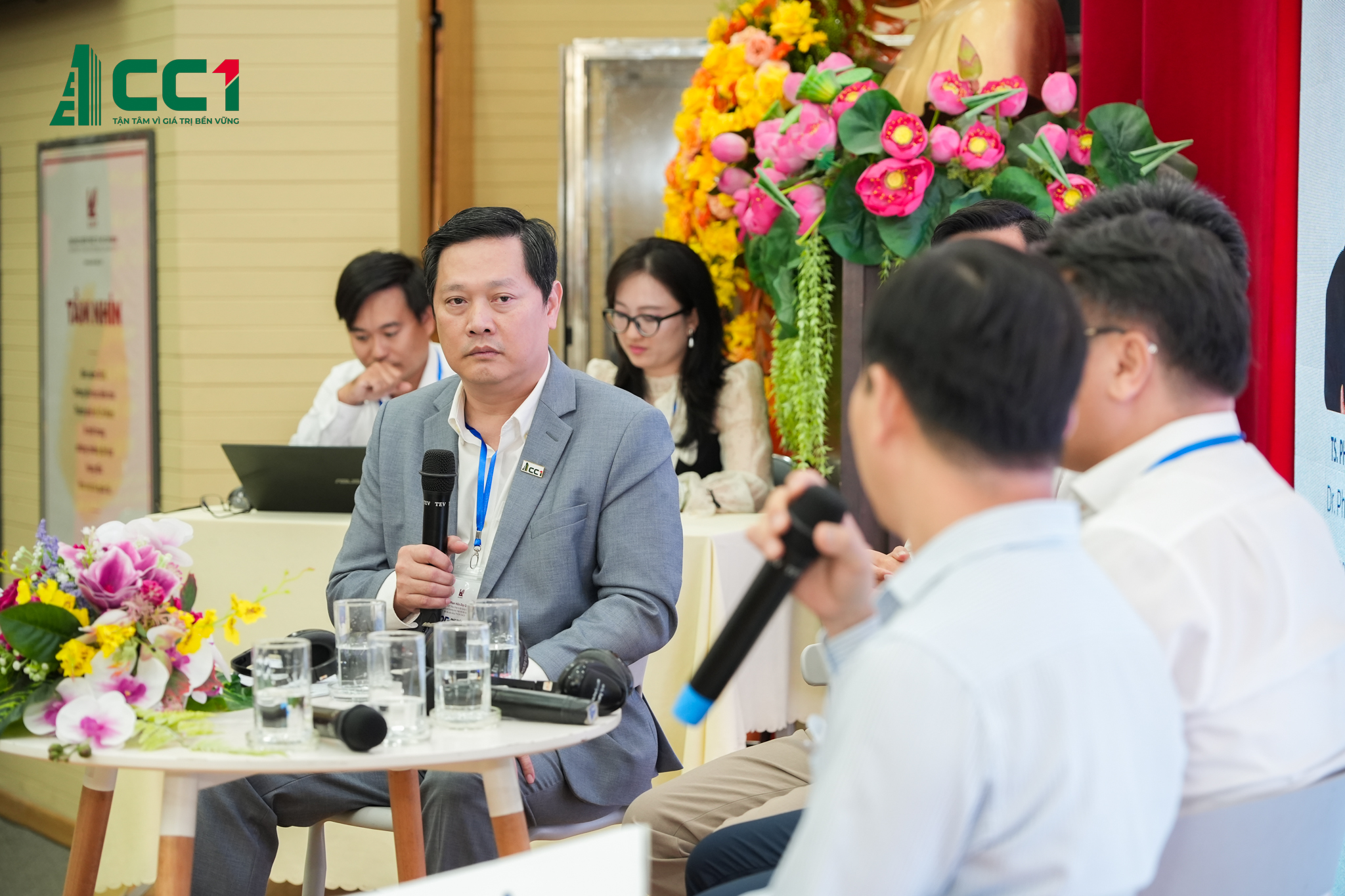
Dr. Phan Huu Duy Quoc – Chairman of the Board of Directors of CC1, emphasized that, technically, domestic contractors and consultants are fully capable of implementing complex components of the TOD model, from underground structures and spatial connections to multi-functional complexes. However, the biggest challenge currently lies not in construction capacity but in the legal framework, coordination mechanisms, and implementation organization, requiring comprehensive improvement to effectively utilize the TOD model in practice.
Testing high-performance building materials.
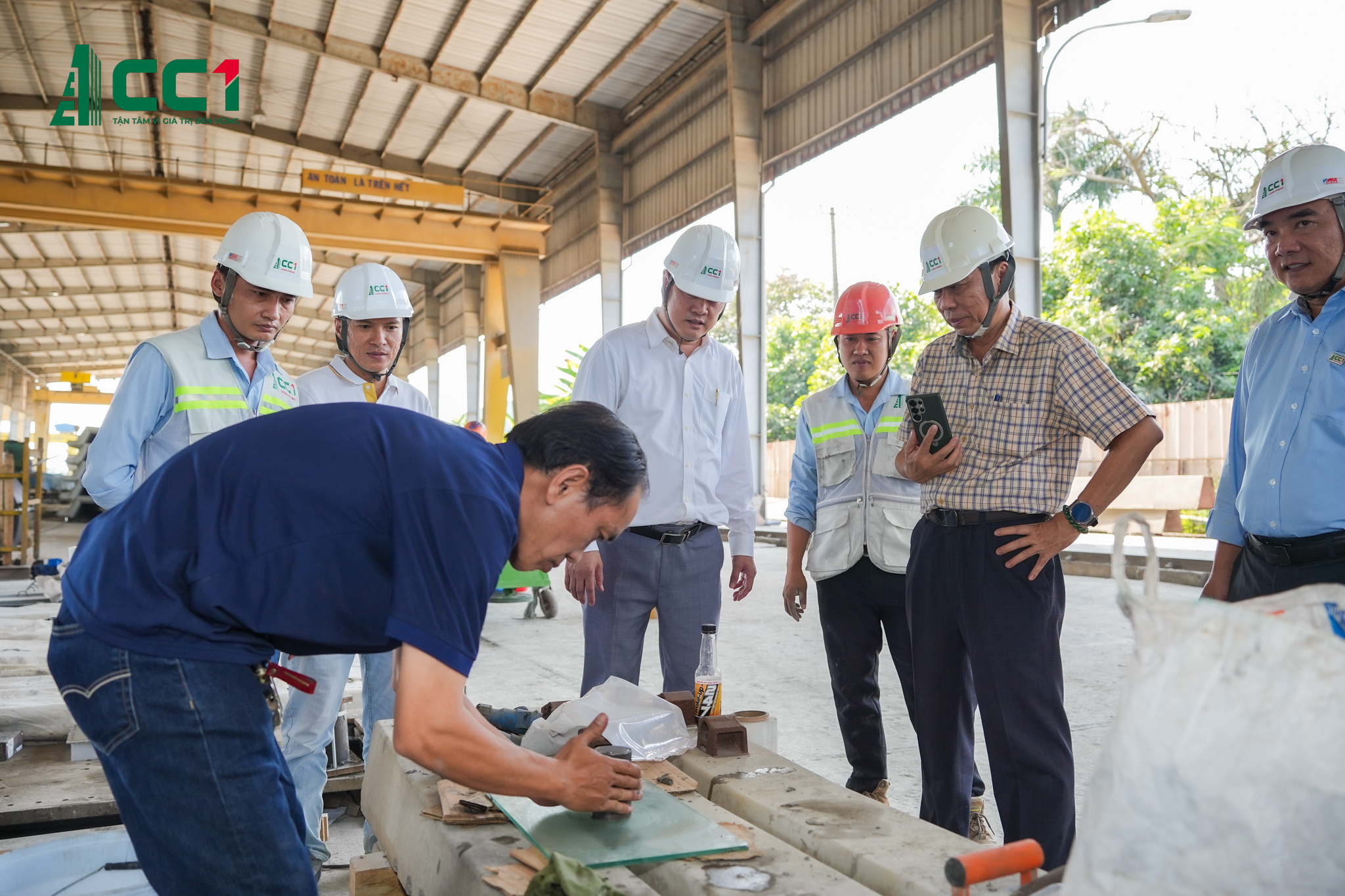
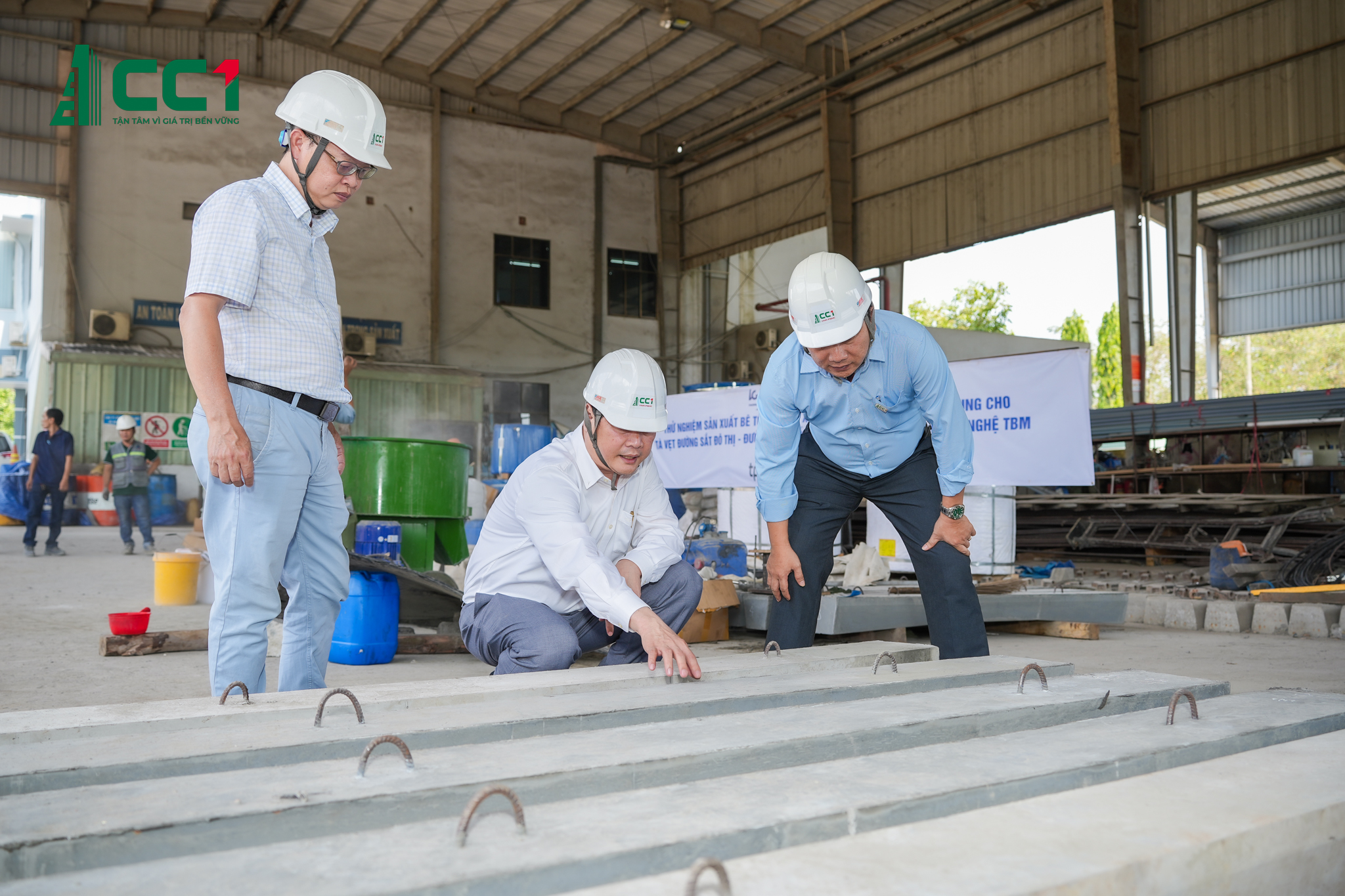
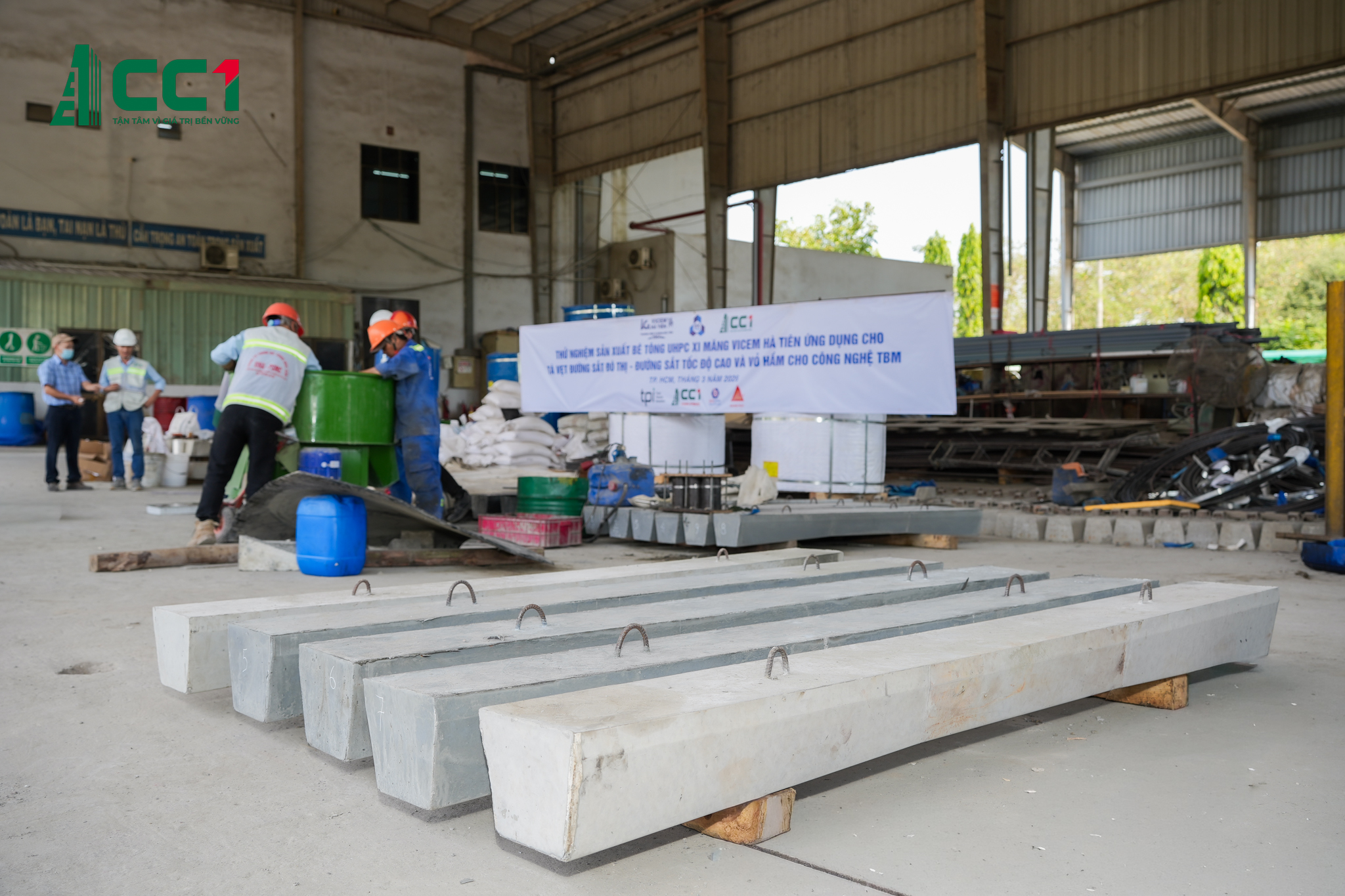
In addition to construction technology, CC1 also proactively researches construction materials, with mastering technology and materials becoming a crucial direction for the future. At the VINA PSMC plant, a subsidiary of CC1 formed from a partnership between CC1 and a Japanese partner, CC1 collaborated with VICEM Ha Tien and Ho Chi Minh City University of Technology to conduct trials producing UHPC concrete using Vicem Ha Tien cement. This is a super-high strength material, intended for application in specialized precast concrete components such as sleepers for urban railways, high-speed railways, and tunnel lining components in TBM technology.
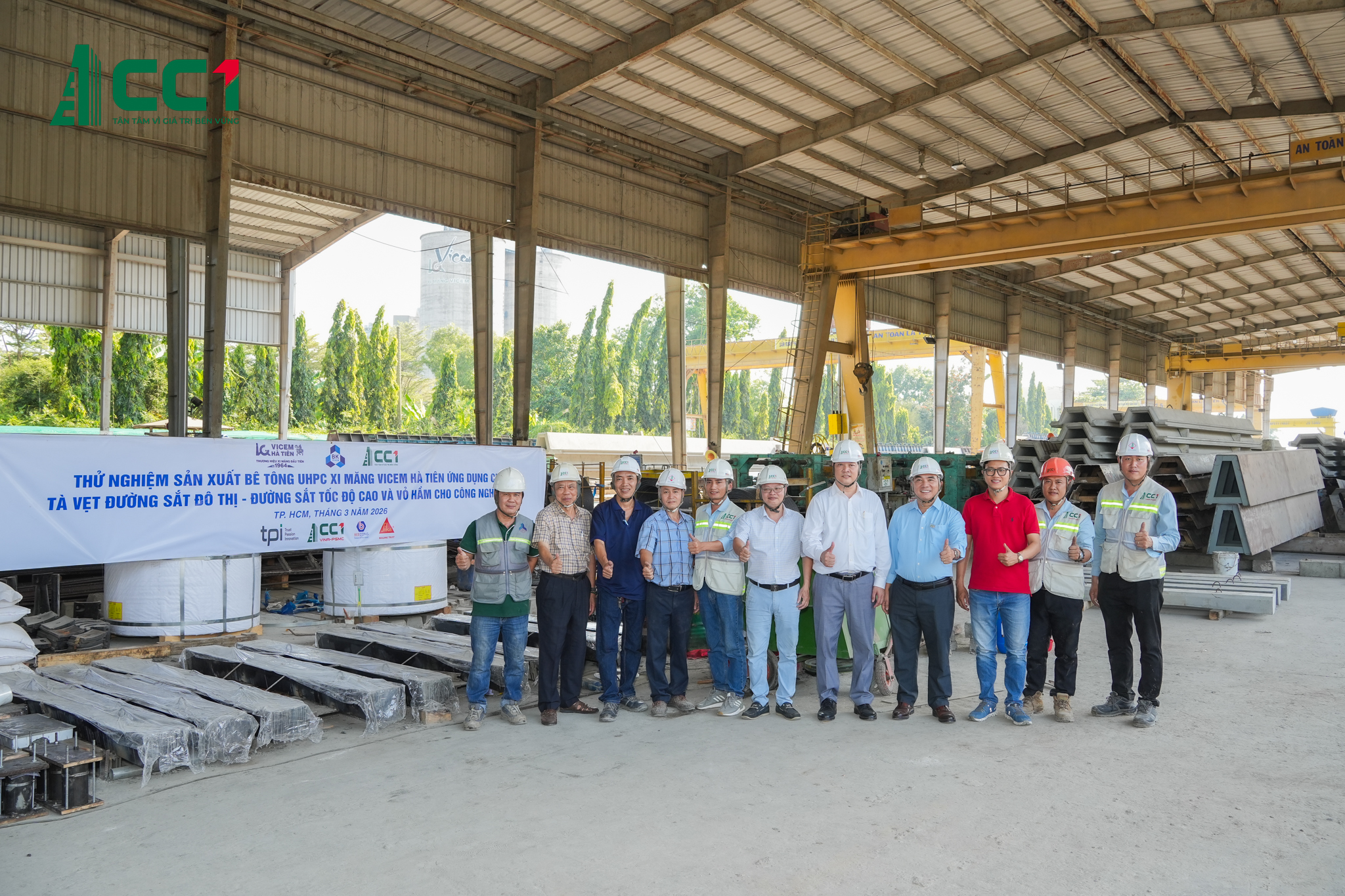
Participating in the trial aims to develop precast concrete components that can be used directly in construction. According to Mr. Phan Huu Duy Quoc, CC1 is simultaneously investing in training, research, and practical implementation to gradually improve its core capabilities. This contributes to helping the company be more proactive in meeting specific technical requirements and material supply sources, while also enhancing its ability to apply its expertise to real-world projects.
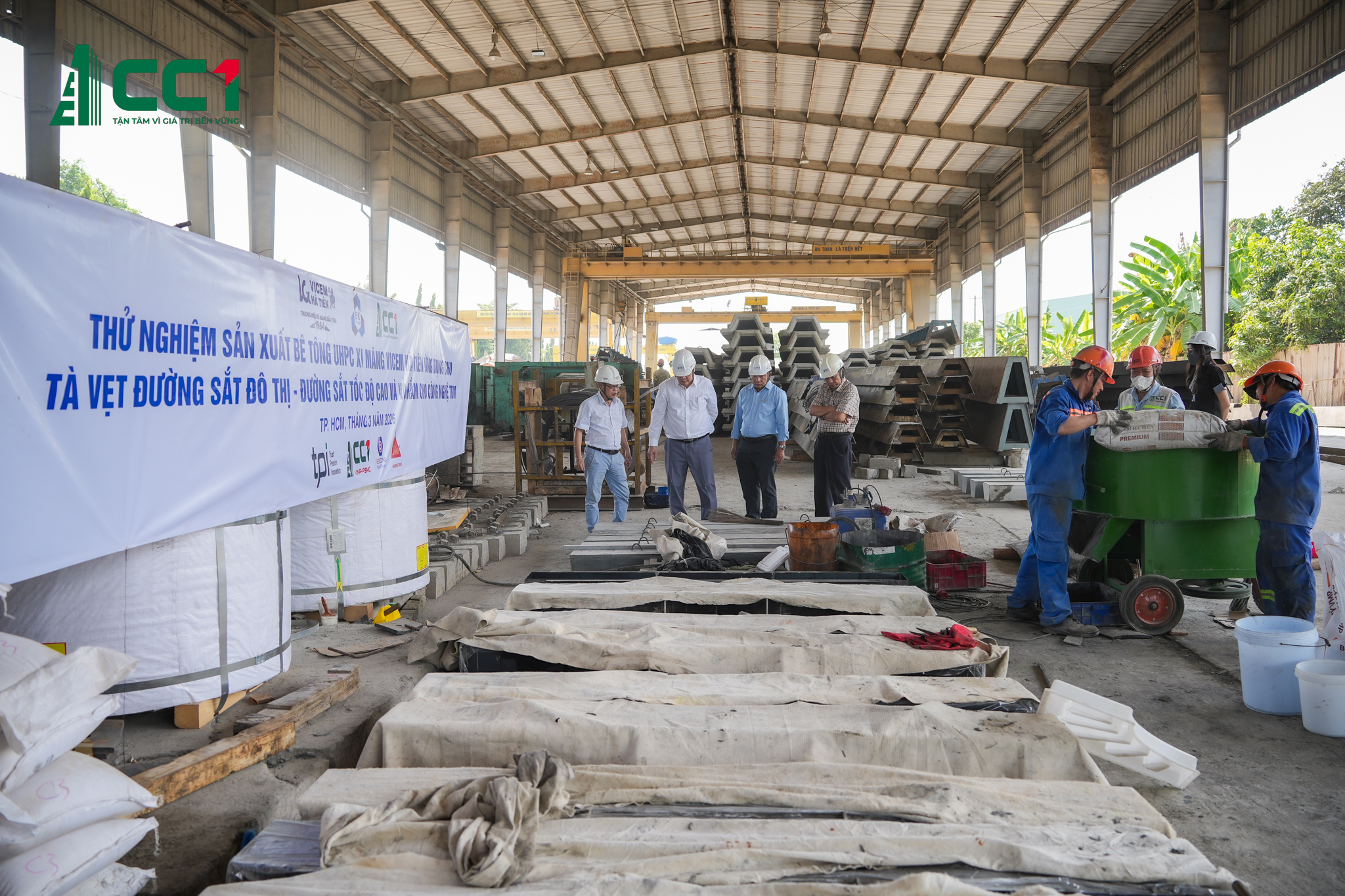
CC1's involvement throughout the entire process, from training and field trips to research and testing, demonstrates its comprehensive and systematic internal capacity building. This is not only about preparing human resources but also about accumulating knowledge, technology, and practical experience, aiming for deeper participation in urban railway projects and complex technical infrastructure.
In the context of railway projects and the TOD (Transit-Oriented Development) model still in the accelerated implementation phase in Vietnam, this proactive approach helps CC1 gradually improve its readiness not only as a construction contractor but also towards mastering technical solutions and building a sustainable resource foundation for the future.